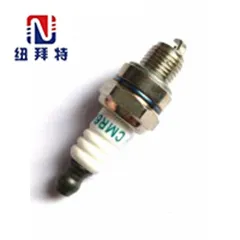
Lawn Mower Spark Plugs

Your Leading New Bettter Auto Parts Co.Ltd. Supplier


Founded in 2007, Newbetter Zhuzhou auto parts is located in Zhuzhou, the largest transportation hub and industrial hub in southern China. The company's geographical location, rich in natural resources. The Hemerocallis fulva airport and the Wuhan-guangzhou high-speed railway are close at hand. The main railway lines of Beijing-guangzhou, Zhejiang-jiangxi, Hunan-guizhou are close to the periphery. 106, China National Highway 320 and the Beijing-zhuhai and Shangrui expressways encircle the urban area. The company is a professional manufacturer of spark plugs. Existing"NBT", "NOSOK" and other trademarks, the production of spark plugs are widely used in high-end cars, motorcycles, small generators, gasoline engines.


Why Choose Us?
 
01/

High quality
The company has spark plug manufacturing professionals and advanced equipment.

02/

Competitive Price
We offering a higher-quality product or service at an equivalent price. As a result we have a growing and loyal customer base.

03/

Rich experience
Our company has many years of roduction experience! to update the technology, more reliable performance, more perfect after-sales service return to our customers.

04/

Advanced equipment
Have advanced equipment, designed with advanced technology and functionality to perform highly specific tasks with greater precision, efficiency and reliability.

What is Lawn Mower Spark Plugs?


A mower spark plug is a crucial component of a lawn mower’s engine ignition system. It is responsible for creating the spark that ignites the fuel-air mixture in the combustion chamber, allowing the engine to start and run smoothly. Without a properly functioning spark plug, the engine may misfire, have difficulty starting, or run inefficiently.


Benefits of Lawn Mower Spark Plugs
 

Improved engine performance

One of the benefits of changing your spark plugs is improved engine performance. Over time, spark plugs can become carbon-fouled or damaged, which can cause your engine to misfire or run less efficiently. Replacing your spark plugs can help restore peak performance and fuel economy.

Smoother engine operation

Another benefit of changing your spark plugs is smoother engine operation. When spark plugs are old and worn, they can cause your engine to run rough. This can lead to a loss of power and decreased fuel economy. By replacing your spark plugs, you can help ensure that your engine runs smoothly and powerfully.

Reduced emissions

Changing your spark plugs can also help reduce emissions. Old and worn spark plugs can cause your engine to run less efficiently, leading to increased emissions. By replacing your spark plugs, you can help reduce the pollution your vehicle emits.


Improved fuel economy

One of the main benefits of changing spark plugs is improved fuel economy. When spark plugs are old and worn, they can cause your engine to misfire and run less efficiently. This can lead to increased fuel consumption. By replacing your spark plugs, you can help improve your vehicle's fuel economy.

Longer engine life

Another benefit of changing spark plugs is that they can help extend the life of your engine. When spark plugs are old and worn, they can cause excessive wear and tear on your engine. This can lead to premature engine failure. By replacing your spark plugs, you can help reduce the amount of wear and tear on your engine and help extend its life.

Smoother idling

Another benefit of changing spark plugs is that they can help improve your vehicle's idle. When spark plugs are old and worn, they can cause your engine to misfire and run roughly. This can lead to a less smooth idle. By replacing your spark plugs, you can help improve your vehicle's idle quality.

Types of Lawn Mower Spark Plugs
 

Copper spark plugs
Copper spark plugs have a copper core and use a nickel alloy on the working end of the electrode–the part that generates a spark. Both nickel and copper have relatively low melting points(1,983º and 2,642º F, respectively), which means that the edge of these electrodes wears quickly–resulting in an increased gap in as little as 10,000 miles. This can result in a misfire, which lowers gas mileage and causes damage to the coil and ignition wires.


Platinum spark plugs
Platinum spark plugs generally have a platinum disc on the end of the electrode tip, which preserves the electrode edge with its higher melting point (3,218º F). These spark plugs allow for longer use, usually 30-40 thousand miles and run a bit hotter than copper, which prevents fouling.


Iridium spark plugs
Iridium is harder than platinum and has an even higher melting point (4,442º F), which allows these spark plugs to last about 25% longer than platinum spark plugs. They also have a smaller electrode tip diameter, which increases the spark efficiency and contributes to better engine function.


Pulstar spark plugs
Pulstar plugs goes beyond the benefits of these conventional plugs by adding an internal capacitor TP store energy and create a high-intensity electrical pulse when it is released. This pulse saturates the fuel with combustion-enhancing plasma, ensuring instant ignition and a rapid burn. The technology was developed with the help of the Department of Energy Sandia National Lab and it delivers a more powerful and consistent engine that starts quickly, idles smoothly, generates more torque, uses less fuel and produces fewer emissions.

Components of Lawn Mower Spark Plugs
 

Insulator
Insulates the terminal, center shaft and center electrode from the housing, preventing escape of high voltage from the electrodes.


Terminal
The terminal is connected to a high-tension cord through which high-voltage current from the ignition system flows.


Ring, packing washer
Makes the insulator and the housing fit tightly to each other and maintains the airtightness.


Center shaft (stem)
Center shaft connecting the terminal and the center electrode.
This shaft is made of steel and has the role of allowing high-voltage current to flow from the terminal to the center electrode without loss.

Chainsaw Spark Plug


Spark Plug Yard Machine Mower

Housing
The housing forms an outer shell that surrounds the insulator, supports the insulator, and installs the spark plug in the engine.
At the bottom the ground electrode is located, so current can flow through the engine itself to the center electrode over the gap.


Glass seal
Mounted between the center shaft and insulator to maintain the airtightness.


Gasket
Makes the housing and the engine fit tightly to each other and maintains the airtightness of the combustion chamber.


Center electrode
A new iridium alloy tip with a diameter of 0.4 mm is laser welded to the tip of the center electrode to make the center electrode.


Process of Lawn Mower Spark Plugs


Spark plug shells are usually manufactured in one of three ways.

One technique is for manufacturers to use cold-formed steel wire, which they mould at low temperatures.

Alternatively, manufacturers can extrude the steel. This process involves heating the metal and pushing it through a die (shaped orifice) to form the hollow structure of a shell.

A third method is to manufacture shells by feeding steel bars into automatic screw machines. The machines form the shells, drill holes through them and ream them.


Formed/extruded shells go through a second process: either machining or knurling.

Machining involves cutting the shell exteriors with machine tools to create shapes and contours, while knurling involves passing the shells through patterned rollers to form ridges.


Produce side electrodes using nickel alloys. They feed the alloys into an electric welder, to straighten them and weld them to the shell. Then cut the electrodes to the appropriate length.

Mould each side electrode so that it has a slight bend (this is reinforced once the spark plug assembly is complete).


Roll the threads onto the shells. The shells undergo an electrolytic process to enhance them with a protective finish. This process involves soaking the shells in a solution of acids, alkalis and salts.

An electrical current passes through the solution to create a thin metal coating that the applies to each shell.


Produce the insulators by pouring liquid ceramic into rubber moulds. The applies hydraulic pressure to create unfired insulator blanks.

Then, shape the pressed insulator blanks in contour grinding machines. They fire the insulators in a tunnel kiln at temperatures above 2,700°f. The insulators become strong, dense and moisture resistant. They are often identification marked and glazed, then fired again.


Produce centre electrodes using nickel alloys. They electrically weld the alloys to the basic steel terminal stud (the wire that runs from the centre to the bottom of the spark plug).

The terminal stud connects to a nut that is connected to the ignition cable. This cable supplies the plug’s electrical current.


Clamp the centre electrode and terminal stud assembly into the insulator under heavy pressure. They then place the insulator assembly into the metal shell, securing it under 6,000 pounds of pressure.


Ream the assembly to the correct depth and angle and crimp the shell edge (flange) to form a gas and airtight seal.


Crimp stock spark plug gaskets over the top of each plug body for maximum security.


Machine-trim the centre electrode and re-mould the ground electrode, forming the appropriate spark plug gap.

How to Maintain Lawn Mower Spark Plugs


Regularly inspect the spark plug for signs of wear or damage and replace it if necessary.

Clean the spark plug regularly to remove any carbon deposits or debris that may affect its performance.

Use the recommended spark plug type and gap specified by the lawn mower manufacturer.

Avoid over-tightening the spark plug, as it can damage the threads or the spark plug itself.

Keep the spark plug wire and ignition system clean and free from dirt or moisture.

How to Clean Spark Plugs


Spark plugs used to be very expensive, and thus cleaning and reusing spark plugs was common for many people. However, the price of spark plugs has drastically reduced over the years, and one can get a new lawn mower spark plug for around five dollars. However, learning how to clean a spark plug is essential because one may not always have a new spark plug at hand.

To effectively clean a spark plug, you just need rubbing alcohol, an old toothbrush, and a piece of cloth. Follow these to clean the spark plug effectively.

1.Soak the tip of the plug in the rubbing alcohol so that it may cut through the oil and carbon deposits.

2.Then scrub the tip with the old toothbrush repeatedly.

3.Rinse the plug with clean rubbing alcohol and dry it with a cloth.

4.If it’s still not clean, repeat the process.

When the spark plug’s tip has oil or carbon residue, the electric current that is supposed to jump-start the lawn mower takes an alternative route. This prevents the formation of the spark that ignites the fuel. This will make it hard or even prevent the lawn mower from starting. Cleaning the spark plug usually solves this problem.

However, if you can get a new plug, it is better to do so. This is because apart from dirt accumulation at the tip, spark plugs may also fail electrically. Therefore, you may find a cleaned spark plug still failing to deliver the optimal spark that the engine requires.


What Are the Signs of Bad Spark Plugs?

The following are the common signs that you have faulty spark plugs

Rough idling

If you notice your engine idling unevenly or shakily, it could be a sign of a problem with the spark plugs. If these are damaged in some ways, they can disrupt the combustion process, causing the engine to run unevenly at idle speed.

Reduced fuel efficiency

When spark plugs are worn-out, they may not produce an adequate spark to ignite the fuel mixture efficiently. This incomplete combustion leads to wasted fuel and reduced mileage per gallon. If you observe an abrupt drop in fuel efficiency, it could be a sign that your spark plugs need attention.

Chainsaw Spark Plug

Misfiring

This occurs when the spark plugs are unable to help in igniting the air-fuel mixture. It often manifests as a noticeable jolt during acceleration, and it’s common to experience a loss of power or intermittent jerking movements while driving.

Engine starting difficulty

If you find yourself struggling to start your vehicle, particularly in cold weather or after several attempts, it may be due to worn-out spark plugs. When this is the case, the ignition process is hindered, making it challenging for the engine to start smoothly.


Steps for Replacing a Spark Plug


Follow these six steps to replace your lawn mower’s spark plug effectively:

Locate the spark plug(s) based on your mower type.
Disconnect the spark plug lead and clear any debris.
Use the appropriate socket to remove the old spark plug.
Check the spark plug gap as per your owner’s manual.
Install the new spark plug, ensuring proper alignment and tightening.
Reconnect the spark plug lead securely.


Use an Ignition Tester to Test a Bad Lawn Mower Spark Plug


If you’re uncertain whether the spark plug, the ignition coil, or another part of the engine’s electrical system is at fault, you can use a small engine ignition tester to test the components:

Remove the ignition coil wire and boot from the spark plug.
Attach the ignition tester clip to the spark plug and insert the opposite end of the tester into the boot.
Attempt to start the engine but stand clear of the tester or any other electrical component to avoid a shock.
If a spark jumps across the terminals in the tester window (or the engine starts), the spark plug and ignition coil are working properly.
If you do not see a spark, unclip the tester from the spark plug and attach it to a good grounding location like a bolt on the engine valve cover.
Attempt to start the engine again.
If there is now a spark visible in the tester window, the spark plug is likely defective and will need to be replaced.
If there is still no spark in the tester window, the ignition coil may have failed or there may be another problem with the equipment’s electrical system.


Our Factory


Founded in 2007, Newbetter Zhuzhou auto parts is located in Zhuzhou, the largest transportation hub and industrial hub in southern China. The company's geographical location, rich in natural resources.

productcate-960-600
productcate-1-1
Our Certificate
 
productcate-1-1
productcate-1-1
 
FAQ
 

Q: How to tell if a spark plug is bad?

A: The most common signs of bad spark plugs include start-up trouble, rough idling, sluggish acceleration, declining fuel economy, engine misfiring, and engine knocking.

Q: Will a mower start with a bad spark plug?

A: A dirty or fouled spark plug can cause your lawn mower to not start. It can also work itself loose, causing issues. If the spark plug appears to be seated correctly but the engine doesn't start, a new one may be in order. For a few dollars, this easy fix can get your small engine working again.

Q: What happens if you use the wrong spark plug in a lawn mower?

A: Although several different spark plugs may screw into the engine, using the incorrect one will result in performance problems and possible internal engine damage.

Q: Do all mowers take the same spark plug?

A: Are all lawn mower spark plugs the same? No, all lawn mower spark plugs are not the same. Spark plugs are engine specific and there are different sizes and heat ranges (voltage requirements).

Q: Can I change spark plugs myself?

A: Replacing worn spark plugs can greatly improve your engine's performance and efficiency, and it can be done at home with basic hand tools. Recommended spark plug replacement intervals can range from 30,000 miles to every 100,000 miles, and they vary widely by car manufacturer and spark plug metal types and design.

Q: Do lawn mowers need special spark plugs?

A: Spark plugs aren't universal; you have to make sure that you buy one that fits your mower. You can consult your owners' manual to determine the types your lawn mower can use or take a look at the plug's ceramic insulator, which usually has the number printed on it.

Q: Do lawn mower spark plugs need to be gapped?

A: Setting the correct spark plug gap on your lawn mower is crucial, as it may cause damage to the engine if the gap is incorrect. The best way to set the correct spark plug gap is by using the feeler gauge.

Q: How to check if a spark plug is working?

A: Get someone to attempt to start the engine and you should see a strong blue spark jump from the plug to the engine. If this is a weak spark it may not be sufficient to overcome the immense cylinder pressures – which is why an in-line tester is a more reliable method of diagnosis.

Q: How to tell if a lawn mower spark plug is bad?

A: The more worn or dirty spark plugs are, the greater the pull on the rewind and more effort is required to produce an adequate spark. If you haven't turned on your engine recently, your mower won't start and/or you have to tug repeatedly on the rewind to start the engine, a damaged spark plug may be the culprit.

Q: How long do mower spark plugs last?

A: Even lawn care pros often only replace them annually or never. Here's the deal: Spark plugs last longer than you think. They can handle 100-500+ hours, depending on your mower and use.

Q: Can you clean a lawn mower spark plug?

A: Step 1: Disconnect the spark plug lead. Then, clean the area around the spark plug to avoid getting debris in the combustion chamber when you remove the plug. Step 2: Remove the spark plug using a spark plug socket. Step 3: Clean light deposits from the plug with a wire brush and spray-on plug cleaner.

Q: Do you need a special tool to change spark plugs?

A: The most important tool is a socket wrench with an extension and a spark plug socket. Spark plug sockets come in two sizes: 5/8 inches and 13/16 inches. Most spark plug sockets have a rubber insert that holds the plug snugly in place. You may also need a universal joint if your spark plugs are difficult to reach.

Q: How to check if a spark plug is bad?

A: Listen for rattling, sputtering, or metallic pings that signal when a spark plug is making your engine misfire. Check if your gas mileage has gotten worse since a bad spark plug won't burn fuel as efficiently. ​​Take out your spark plugs to check if the electrodes are worn down or covered in residue.

Q: How to stop spark plugs from fouling?

A: Maintaining proper cylinder head temperatures will minimize plug fouling problems. In addition: Be certain that maintenance personnel have installed the spark plugs recommended for the particular engine installation. Have the carburetor idle mixture checked and adjusted.

Q: What causes a lawn mower spark plug to go bad?

A: Due to carbon build-up and a weakened electrode, a small engine spark plug will degrade over time. If the engine on your lawn and garden equipment won't start, or it runs poorly, chances are the spark plug is worn out. Fortunately, the spark plug is one of the easiest engine components to replace.

Q: Why does my spark plug keep getting dirty on my lawn mower?

A: How To Clean Fouled Spark Plugs. To safely clean a spark plug, you should use a wire brush or spray-on plug cleaner specifically designed for this ignition part. Note: NEVER clean a spark plug with a shot blaster or abrasives.

Q: How often do lawn mower spark plugs go bad?

A: For standard lawn mower and small engine maintenance, you should check and/or replace spark plugs: once a season. every 25 hours of use.

Q: What does a dirty spark plug mean?

A: A fouled or bad spark plug is a plug that has become covered with a substance like oil, fuel or carbon or one that is blistered from running too hot. Driving with fouled or bad spark plugs can cause a host of problems for your engine. Symptoms of bad spark plugs can include: Reduced gas mileage. Lack of acceleration.

Q: Will a hotter spark plug stop fouling?

A: Found in many passenger vehicles, hot spark plugs have more insulation to transfer the heat slowly, which keeps the temperature high enough to burn off carbon deposits and avoid premature fouling. This helps allow for more time between spark plug changes. Characteristics of hot spark plugs: Longer insulator nose.

Q: Do you gap lawn mower spark plugs?

A: Setting the correct spark plug gap on your lawn mower is crucial, as it may cause damage to the engine if the gap is incorrect. The best way to set the correct spark plug gap is by using the feeler gauge.

We're well-known as one of the leading lawn mower spark plugs manufacturers in China. Please feel free to buy high quality lawn mower spark plugs made in China here from our factory. Good service and competitive price are available.

lawn mower spark plugs for tall grass lawns, lawn mower spark plugs for winter, lawn mower spark plugs for push lawn mowers

(0/10)

clearall