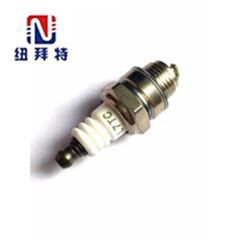
Motorcycle Spark Plug

Your Leading New Bettter Auto Parts Co.Ltd. Supplier


Founded in 2007, Newbetter Zhuzhou auto parts is located in Zhuzhou, the largest transportation hub and industrial hub in southern China. The company's geographical location, rich in natural resources. The Hemerocallis fulva airport and the Wuhan-guangzhou high-speed railway are close at hand. The main railway lines of Beijing-guangzhou, Zhejiang-jiangxi, Hunan-guizhou are close to the periphery. 106, China National Highway 320 and the Beijing-zhuhai and Shangrui expressways encircle the urban area. The company is a professional manufacturer of spark plugs. Existing"NBT", "NOSOK" and other trademarks, the production of spark plugs are widely used in high-end cars, motorcycles, small generators, gasoline engines.


Why Choose Us?
 
01/

High quality
The company has spark plug manufacturing professionals and advanced equipment.

02/

Competitive Price
We offering a higher-quality product or service at an equivalent price. As a result we have a growing and loyal customer base.

03/

Rich experience
Our company has many years of roduction experience! to update the technology, more reliable performance, more perfect after-sales service return to our customers.

04/

Advanced equipment
Have advanced equipment, designed with advanced technology and functionality to perform highly specific tasks with greater precision, efficiency and reliability.

What is Motorcycle Spark Plug?


The spark plug is a fundamental component of your bike’s ignition system. Voltage is sent into the plug from its base, jumping from a centre electrode to a grounded electrode, creating a spark.

This spark ignites the air-fuel mixture in the combustion chamber, causing an explosion that starts the engine power stroke.


Benefits of Motorcycle Spark Plug


They help provide the necessary ignition to the air and fuel mixture in the cylinders.

They help maintain the correct timing between the opening and closing of the valves.

Spark plugs help reduce fuel consumption by up to 15%.

They also help limit emissions from the engine by up to 30%.

Spark plugs help improve the performance of the engine by providing better combustion.

They also help extend the life of the engine by preventing pre-ignition and knock.


Types of Motorcycle Spark Plug
 

Copper spark plug
Copper spark plug is the most basic and affordable type. They have a copper core that has good conductivity and heat dissipation. Copper spark plugs are generally reliable and long-lasting but may need to be replaced more often than other spark plugs.


Platinum spark plug
Platinum spark plug has a platinum center electrode and a copper core. The platinum electrode is more durable than a standard copper electrode and has a longer service life. Platinum spark plugs also provide good performance in cold weather and low emissions. Platinum spark plugs are a popular choice for motorcycles due to their durability, high performance, and ability to deliver consistent performance in various conditions.


Iridium spark plug
Iridium spark plug has a fine center electrode made of iridium, a hard and dense metal. This fine electrode allows for a more efficient spark and better ignition performance, improving acceleration and fuel efficiency. These plugs also have a longer service life than copper or platinum ones. Iridium spark plugs are high-performance motorcycles due to their superior conductivity and durability.


Double platinum spark plug
Double platinum spark plug has a platinum center electrode and a platinum pad on the ground electrode. This design provides better wear resistance and performance than standard platinum spark plugs. Double platinum spark plugs are a high-quality option for motorcycles with excellent durability and reliable performance.


Multi-electrode spark plug
Multi-electrode spark plug is a unique type of spark plug with multiple ground electrodes around a central electrode. Multi-electrode spark plugs have several ground electrodes instead of just one. This design provides a larger spark area, which can improve ignition and fuel efficiency. Multi-electrode spark plugs can also help reduce engine misfires and fouling.


Racing spark plug
Racing spark plugs are designed for high-performance, racing motorcycles. They typically have a fine wire center electrode and a lower heat range, allowing more efficient combustion at high speeds and temperatures.

How to Maintain Motorcycle Spark Plug
 

Cleaning

Before you clean the spark plugs on your motorcycle, make sure you have tools such as screwdrivers, spark plug sockets, a cleaning brush (an old toothbrush will do) and a cleaning agent like WD-40 at the ready. Open the cover on the left-hand side. Remove the spark plug cap and avoid touching the engine if it’s hot. Use the socket to open the spark plug and check if it’s been affected by carbon or rust. Use your cleaning agent and brush to get the spark plug clean, and then reverse the steps to reinstall it.

Adjusting

Gapping a motorcycle spark plug involves setting the gap between the centre and ground electrodes so that your engine can function correctly. It’s important to get the gap right: you need a gap large enough to allow room for a massive spark but not so large that the ignition parts need to work extra hard. If you don’t know what your optimal spark plug gap is by heart, it’s best to consult your manual. A simple gapping tool that looks like a coin is often all you need to adjust the gap.

Replacing

To change your motorcycle spark plugs, remove any motorcycle parts, such as the seat or tank, that are in the way. Remove the wiring from the plugs one at a time to avoid getting them mixed up. A cracked or broken insulator requires replacing, while a qualified mechanic’s opinion is best for any kind of heavy build-up. You can use a tool like a brass brush for any deposits you can clean off yourself.


Key Measurements of a Spark Plug

Diameter
If the spark plug is the wrong diameter, it may not fit into the combustion chamber; it may be damaged; or it may damage the bike’s internal components.


Reach
The reach of the plug determines how far the spark plug reaches into the cylinder. It must be the correct distance. Too short and it won’t be effective; too long and it may cause pre-ignition, get jammed, or may even hit the valve inside.

Heat range

The plug’s heat range is stamped on the side and is determined by the distance from the tip of the insulator to the ceiling ring. A longer distance designates a hotter plug; a shorter distance a colder one. If the spark plug is too hot, it may cause pre-ignition. A plug that is too cold, on the other hand, can wear out more quickly.

Spark plug gap

The spark plug gap is the distance between the centre electrode and the grounded electrode. The bigger the gap, the bigger the spark. However, more voltage is required to make the spark when the distance is bigger. A shorter distance will result in a smaller spark and potentially a less complete burn of the air-fuel mixture. Each motorcycle manufacturer will stipulate the spark plug gap distance for their product.

Changing the plug gap size

There are a number of tools available to help measure and adjust the size of a spark plug gap. Refer to your manufacturer for the exact gap size.

Care should be taken when adjusting the gap since the centre and ground electrodes and the insulator can be damaged relatively easily.

If the Calorific Value of the Spark Plug Is Wrong, What Will Happen?

The higher the calorific value, the faster the heat collection and heat dissipation, the lower the temperature of the spark plug, the carbon deposits in the ignition head, causing power failure, and the test spark plug cannot jump out of fire; the calorific value is too low, the heat dissipation is not enough, and the spark plug temperature is too high If it is high, it will cause deflagration, etc., and it is easy to burn the ceramics of the spark plug head and dissolve the electrodes.

Motorcycle Ignition Plug
Different Spark Plugs Conditions
 

A normal and healthy spark plug
To examine the condition of a spark plug, check the firing end’s color and appearance. A normal and healthy spark plug has a tan color with slightly grayish deposits on its firing end/center electrode. This indicates everything is fine with your spark plug and you can plug it back in.


Black, oily deposits
Black and oily deposits on the spark plug’s firing end indicate an oil leakage. This is also known as oil fouling and it can cause your spark plug to misfire. This could be due to worn valves causing oil to leak into the cylinders and pistons. If the spark plug is covered in oil, it is important to find the source of the oil leakage. After the leakage is stopped, you can get a new, replacement spark plug.


Wet spark plug
Wet fouling is when water enters the spark plug’s firing end. This could happen when riding in the rain or when the rider constantly attempts to start the engine when it is not starting. When you have a wet spark plug, the resistance between the ground and center electrodes is over 10 ohms, which is why the spark plug fails to produce the current necessary to start the engine.


Carbon fouling or dry spark plug
In carbon fouling or dry spark plugs, the firing end is covered with sooty deposits. This can be due to a faulty carburetor, a clogged air filter, or an incompatible spark plug with an improper temperature range. Other possible causes include leaving the motorcycle engine idle for too long, using a rich air and fuel mixture, and riding your motorcycle often at low speeds. You should consult a mechanic and replace the spark plug as soon as possible.


Overheated and melted spark plug
An overheated spark plug can cause the deposit on the spark plug to melt, giving the firing tip a polished look. If the temperature rises above 1,200°C, the nickel alloy electrode starts to melt, giving it a bulbous and uneven look.
Other signs of burned or melted spark plugs include white deposits and blisters on the firing tip. If you have a burned or melted spark plug, you should immediately replace it. A burned or melted spark plug is caused due to a loose spark plug, an incorrect spark plug, or the engine overheating.


Broken spark plug
Installing the wrong spark plug can cause the electrode to break. A broken spark plug needs to be replaced as it can cause damage to the engine. Make sure to check the owner’s manual for the appropriate spark plug size and temperature range appropriate for your motorcycle. A spark plug that is too big is often hazardous to the motorcycle’s engine. Meanwhile, a spark plug that is too small can result in spark plug fouling and poor fuel consumption.


Corrosion, erosion, and oxidation of a spark plug
A spark plug with a corroded electrode has a rough surface and greenish deposits. This is often due to heavy oxidation. A spark plug suffering from corrosion, erosion, and oxidation can result in poor engine performance and an incorrect distance between the firing tip and the ground electrode.


Lead erosion
Lead erosion in a spark plug can occur due to the lead compounds in the fuel burning inside the engine. The lead compounds react to the nickel alloy electrode, making the ground electrode thinner and reducing the size of the firing tip.


Dead or worn spark plugs
Dead or worn spark plugs have electrodes that are no longer functional due to overuse. These spark plugs have electrodes with a rough surface and should be replaced as soon as possible. A dead or worn spark plug puts the ignition system at risk and wastes fuel. A faulty or worn spark plug requires high voltage to produce a spark due to more resistance between the firing tip and ground electrode.


How Do You Choose the Right Spark Plugs for a Motorcycle?
 
01/

Consult the owner's manual: The first step is to check the owner's manual of your motorcycle. The manufacturer usually recommends specific spark plugs that are suitable for your bike's engine.

02/

Spark plug type: There are different types of spark plugs, such as copper, platinum, and iridium. Iridium spark plugs are known for their durability and longevity, while platinum spark plugs offer good performance. Copper spark plugs are more affordable but may need more frequent replacement.

03/

Heat range: Spark plugs come in different heat ranges. The heat range of a spark plug refers to its ability to dissipate heat from the tip. Choosing the right heat range is crucial for preventing pre-ignition or engine knocking. Consult your motorcycle's manual or a qualified mechanic to determine the appropriate heat range for your bike.

04/

Thread size and reach: Ensure that the spark plugs you choose have the correct thread size and reach for your motorcycle's engine. Using spark plugs with incorrect specifications can lead to poor performance and potential engine damage.

05/

Brand: Choose a reputable brand of spark plugs known for quality and reliability.

06/

Riding conditions: Consider your typical riding conditions when selecting spark plugs. If you ride in extreme temperatures or under heavy loads, you may need spark plugs with specific features to handle these conditions.

How to Change Motorcycle Spark Plugs
Motorcycle Ignition Plug
Ignition Plug for Motor
Sawmill Spark Plug
Spark Plug Lawnmower

The process to change a motorcycle spark plug is quick and simple, but it’s essential to maintaining your bike’s overall performance. Before you get started, make sure you have the correct tools. The tools you’ll need when changing motorcycle spark plugs include the motorcycle manual, spark plugs, socket wrench, and a spark plug gapper.

Remove the plug wires
The first thing you want to do on any motorcycle is remove the plug wires from the spark plugs. Depending on the model, your bike may have up to four spark plugs. The wire connects to your motorcycle’s coils and is easy to remove. On most bikes, you’ll pull up on the plug wire lightly to separate it from the spark plug.

Remove the plug
Next, you want to remove the plug. Insert a socket wrench over the spark plug and turn counterclockwise until the plug comes out.

Inspect the plug
Now inspect the plug to check the color and burn. You can learn a lot about your bike’s running condition by the plug’s color. If the plug is moist and dark in color, you could be running your bike too hard. What’s ideal is a plug that looks to have an even burn and resembles a toasted marshmallow. Look for an even, light tan/grey burn around the spark plug.

Install the new plug
Once you’ve inspected and discarded the plug, it’s time to replace it. First, check the gap of the plug with your gap tool. The best way to know the gap for your specific bike is to refer to the owner’s manual. To use the gap tool, insert the plug at the thinnest section of your spark plug and slide it up until you reach the desired gap.

Put it back together
The last step is to put everything back in its proper place in the reverse order you took it apart. A good rule of thumb when putting the plugs back in is to hand tighten them to avoid stripping the threads. Gently secure the plugs into the cylinder head with the socket wrench. Finally, put the plug wires back on, and you’re ready to go.


Which Factors Can Affect the Operating Temperature of Spark Plugs?


Several factors can affect the operating temperature of spark plugs. These include:

1.Engine load: The engine load, or the amount of power generated by the engine, can affect the temperature of the spark plugs. Higher loads create more heat and allow the spark plugs to operate at higher temperatures.

2.Engine speed: Engine speed can also affect the temperature of the spark plugs. Higher engine speeds generate more heat and allow spark plugs to operate at a higher temperature.

3.Air/fuel mixture: The air/fuel mixture in the engine can also affect the temperature of the spark plugs. A lean mixture (more air than fuel) allows the spark plugs to operate at a higher temperature, while a rich mixture (more fuel than air) allows the spark plugs to operate at a lower temperature.

4.Ignition timing: Ignition timing, or the timing of the spark plug firing, can affect the temperature of the spark plugs. Advanced ignition timing (firing the spark plug earlier in the engine's cycle) allows the plugs to operate at a higher temperature.

5.Ambient temperature: The ambient temperature, or the temperature of the air surrounding the engine, can also affect the temperature of the spark plugs. Higher ambient temperatures allow the spark plugs to operate at a higher temperature.


Our Factory


Founded in 2007, Newbetter Zhuzhou auto parts is located in Zhuzhou, the largest transportation hub and industrial hub in southern China. The company's geographical location, rich in natural resources.

productcate-960-600
productcate-1-1
Our Certificate
 
productcate-1-1
productcate-1-1
 
FAQ
 

Q: How do you know if your spark plugs are bad on your motorcycle?

A: The most common signs of bad spark plugs include start-up trouble, rough idling, sluggish acceleration, declining fuel economy, engine misfiring, and engine knocking.

Q: How often should I replace motorcycle spark plugs?

A: Every 8,000 to 10,000 miles
When to change motorcycle spark plugs. According to FOD Sports, you should change motorcycle spark plugs every 8,000 to 10,000 miles. If you find your bike is riding rough or misfiring, it may be a symptom of a bad spark plug on your motorcycle, and you'll want to inspect it.

Q: Can a bike run without a spark plug?

A: The engine would not be able to run without the spark plug. Most current spark plugs are constructed of ceramic and iridium or platinum and are expected to run for 20,000 kms or more. However, they should be evaluated every 10,000 kms or so to give you a sense of the engine's condition.

Q: How do I choose a spark plug for my motorcycle?

A: Higher numbers indicate a hotter heat range, meaning the spark plug can retain heat in the tip for longer. Choosing the correct heat range spark plug will ensure optimal engine performance. A spark plug with a heat range that is too hot may cause pre-ignition or detonation, which can cause engine damage.

Q: What happens if a spark plug is bad in a bike?

A: Your bike performance might plummet due to failing motorcycle spark plug symptoms, like backfiring issues or a misfiring engine. Don't overlook these signs; they warrant immediate attention and possibly a spark plug change.

Q: Will a motorcycle start with bad spark plugs?

A: If the ignition performance of the spark plug is not good, not only will it be difficult to start, the vehicle will be weak, and the oil and gas will be incompletely burned. This will also lead to increased fuel consumption for a long time, and even seriously affect the service life of the engine.

Q: Does a spark plug affect performance on a motorcycle?

A: A spark is necessary for a motorcycle engine to function properly. The ignition system must be able to create a spark to ignite the fuel and air mixture in the engine's combustion chamber. The spark plug is crucial for a motorcycle's functionality, fuel efficiency, engine performance, and emission control.

Q: How many spark plugs are in a motorcycle?

A: Depending on the number of cylinders and the technology used, usually, one spark plug is used for one cylinder and so on, so a 4-cylinder motorbike usually uses 4 spark plugs, although for some motorbikes there are more, especially for motorbikes with dual spark plug technology.

Q: What does a bad spark plug sound like on a motorcycle?

A: Backfiring is also a common sign of bad spark plugs. If you're hearing random loud pops coming out of your motorcycle exhaust, then you have a backfiring problem.

Q: Why does a motorcycle have 2 spark plugs?

A: This gives better combustion as the burn from one plug has to “climb over” the piston to ignite the gas on the far side. By having dual plugs, the ignition can start on both sides, resulting in a hotter, cleaner burn.

Q: Which spark plug is best for a bike?

A: Iridium spark plugs are globally the best performance category of spark plugs having superior technology. These spark plugs use very precious Iridium metal at the tip of center electrode of diameter 0.6mm. and has a thermo-edge design for central electrode.

Q: Why is my motorcycle spark plug black?

A: Black and oily deposits on the spark plug's firing end indicate an oil leakage. This is also known as oil fouling and it can cause your spark plug to misfire. This could be due to worn valves causing oil to leak into the cylinders and pistons.

Q: What weakens spark plugs?

A: A leading cause of spark plug problems is a flow of engine oil into the combustion chamber. If oil leaks into the combustion chamber, it can cause the tip of the spark plug to get oily and dirty leading to premature failure.

Q: Do you have to gap motorcycle spark plugs?

A: Yes, you need to check the gap at bare minimum. The gap may be correct, but it should be checked. A spark plug may have all sorts of applications — industrial stationary motors, snowmobiles, go-karts, medium-duty trucks, and maybe a motorcycle or two.

Q: What shortens the life of spark plugs?

A: Continuing to use a spark plug with worn electrodes puts stress on the ignition coil and can shorten its life. Please replace spark plugs sooner rather than later. Beware of only using your vehicle for short trips or slow driving! This can lead to carbon fouling or oil fouling.

Q: What happens when spark plugs wear out?

A: Malfunctioning spark plugs cause engine problems including, misfires, hard starts, reduced gas mileage, rough idling, and lack of acceleration. Driving with a faulty spark plug will be difficult because the engine might fail to function.

Q: What happens if you put wrong spark plugs in motorcycle?

A: If you fit the wrong spark plug in your motorcycle, the engine may misfire or lose performance. It may also cause increased fuel consumption and starting problems. In extreme cases, you could even end up with costly engine damage.

Q: Does changing spark plugs make a difference on a motorcycle?

A: Yes, swapping out faulty spark plugs can make a notable difference in your motorcycle's engine performance and efficiency. A malfunctioning spark plug may not ignite the fuel correctly, leading to unburned fuel and a subsequent loss in power output.

Q: How tight should motorcycle spark plugs be?

A: Screw in the plug until it “seats,” that is, it's finger tight. Turn the plug an additional ¼ turn. If you're installing a new plug, screw in the plug until it seats, then turn it an additional 2/3-3/4 turn. This crushes the washer between the plug and the head, forming a tight seal.

Q: Can you hand tighten spark plugs?

A: The important thing is that you get the proper gasket compression. If the spark plugs have a crush washer on them, they typically should be turned 3/4 to 7/8 turn after contact. Generally you can consider contact when the plug is in finger tight.

We're well-known as one of the leading motorcycle spark plug manufacturers in China. Please feel free to buy high quality motorcycle spark plug made in China here from our factory. Good service and competitive price are available.

motorcycle spark plug to prevent fouling in dirty conditions, technical specifications of motorcycle spark plug, motorcycle spark plug features

(0/10)

clearall