

What is the impact of spark plug wire condition on automotive spark plug performance?
Jun 10, 2025
Hey there, car enthusiasts! As a supplier of automotive spark plugs, I've seen firsthand how crucial the condition of spark plug wires can be for the performance of your spark plugs. Today, I'm gonna break down the impact of spark plug wire condition on automotive spark plug performance, so you can keep your engine running smoothly.
Understanding Spark Plug Wires
First things first, let's talk about what spark plug wires actually do. Spark plug wires, also known as ignition cables, are responsible for carrying high-voltage electricity from the ignition coil to the spark plugs. This electrical current creates the spark that ignites the air-fuel mixture in the engine's cylinders, which is essential for combustion and getting your car moving.
These wires are made up of several layers, including an inner conductor, insulation, and an outer protective layer. The inner conductor is usually made of copper or a copper alloy, which is a good conductor of electricity. The insulation is designed to prevent the electricity from leaking out and causing a short circuit, while the outer protective layer shields the wire from heat, oil, and other contaminants.
How Wire Condition Affects Spark Plug Performance
1. Electrical Resistance
One of the most important factors that can affect spark plug performance is the electrical resistance of the spark plug wires. Over time, the inner conductor of the wire can wear down or become corroded, which increases the resistance. When the resistance is too high, it can reduce the amount of voltage that reaches the spark plug.
A lower voltage means a weaker spark, which can lead to incomplete combustion. Incomplete combustion results in reduced power, poor fuel economy, and increased emissions. You might notice your car feeling sluggish, having trouble starting, or even misfiring. And let me tell you, misfires are not only annoying but can also cause long-term damage to your engine.
2. Leakage
Another issue that can arise with worn or damaged spark plug wires is leakage. If the insulation on the wire is cracked or damaged, electricity can leak out before it reaches the spark plug. This not only reduces the strength of the spark but can also cause electrical interference with other components in your car, such as the radio or the engine control unit.
Leakage can also lead to arcing, which is when the electricity jumps from the wire to a nearby metal surface. Arcing can cause a popping or hissing sound under the hood and can even damage the surrounding components. If you suspect leakage, it's important to replace the spark plug wires as soon as possible to avoid further problems.
3. Heat and Contaminant Resistance
As I mentioned earlier, the outer protective layer of the spark plug wire is designed to protect it from heat, oil, and other contaminants. But if this layer is damaged or worn, the wire can be exposed to these elements, which can affect its performance.
High temperatures can cause the insulation to break down, increasing the risk of leakage. Oil and other contaminants can also corrode the inner conductor, increasing the electrical resistance. In addition, dirt and debris can accumulate on the wire, which can cause it to overheat and further damage the insulation.

Signs of Bad Spark Plug Wires
So, how do you know if your spark plug wires are in bad condition? Here are some common signs to look out for:
- Misfiring: If your engine is misfiring, it could be a sign of bad spark plug wires. Misfiring occurs when the spark plug fails to ignite the air-fuel mixture at the right time, causing a rough idle or a loss of power.
- Poor Fuel Economy: As I mentioned earlier, bad spark plug wires can lead to incomplete combustion, which means your engine has to work harder to produce the same amount of power. This results in increased fuel consumption.
- Difficulty Starting: If your car is having trouble starting, it could be because the spark plugs are not getting enough voltage. Worn or damaged spark plug wires can reduce the voltage, making it harder for the engine to start.
- Electrical Interference: If you notice static on your radio or other electrical problems in your car, it could be a sign of spark plug wire leakage.
- Visible Damage: Check the spark plug wires for any visible signs of damage, such as cracks, burns, or corrosion. If you see any damage, it's time to replace the wires.
Choosing the Right Spark Plugs and Wires
When it comes to choosing the right spark plugs and wires for your car, there are a few things to consider. First, make sure you choose spark plugs that are compatible with your engine. Different engines require different types of spark plugs, so it's important to check your car's owner's manual or consult with a mechanic.
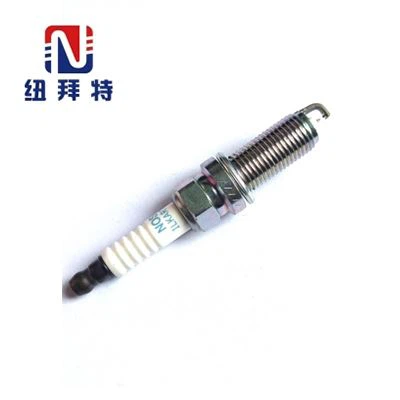
At our company, we offer a wide range of high-quality spark plugs, including Spark Plug Single Iridium, Spark Plug Automatic Car, and Spark Plugs for Car. These spark plugs are designed to provide a strong and consistent spark, which improves combustion and performance.
When it comes to spark plug wires, look for wires that have low electrical resistance, good insulation, and a durable outer protective layer. We also offer a selection of high-quality spark plug wires that are designed to meet the needs of different engines.
Maintaining Your Spark Plug Wires
To keep your spark plug wires in good condition, it's important to perform regular maintenance. Here are some tips:
- Inspect Regularly: Check your spark plug wires for any signs of damage or wear at least once a year or more often if you drive in harsh conditions.
- Keep Them Clean: Make sure to keep the spark plug wires clean and free of dirt, oil, and other contaminants. You can use a wire brush or a clean cloth to gently clean the wires.
- Replace When Necessary: If you notice any signs of damage or wear, replace the spark plug wires as soon as possible. It's better to be safe than sorry when it comes to your engine.
Conclusion
In conclusion, the condition of your spark plug wires plays a crucial role in the performance of your automotive spark plugs. Worn or damaged spark plug wires can lead to a variety of problems, including reduced power, poor fuel economy, and increased emissions. By understanding how wire condition affects spark plug performance and taking steps to maintain your spark plug wires, you can keep your engine running smoothly and efficiently.
If you're in the market for high-quality spark plugs or spark plug wires, we'd love to hear from you. Whether you're a car enthusiast looking to upgrade your engine or a mechanic in need of reliable parts, we've got you covered. Contact us today to discuss your needs and let's start a great business relationship!
References
- Bosch Automotive Handbook, 7th Edition
- Chilton's Automotive Repair Manuals
- Haynes Repair Manuals