

Do spark plugs need to be gapped for a car?
Jun 10, 2025
Do spark plugs need to be gapped for a car? This is a question that often comes up among car enthusiasts and those responsible for vehicle maintenance. As a trusted supplier of spark plugs for cars, I've encountered this query numerous times, and I'm here to shed light on the matter.
First, let's understand what spark plug gap is. The spark plug gap refers to the distance between the center electrode and the ground electrode at the tip of the spark plug. This gap plays a crucial role in the ignition process of an internal combustion engine. When the ignition system sends an electrical current to the spark plug, a spark jumps across this gap, igniting the air - fuel mixture in the combustion chamber.
The answer to whether spark plugs need to be gapped is not a simple yes or no. It depends on several factors.
Factory - Pre - Gapped Spark Plugs
Many modern spark plugs, especially those of high - quality brands, come pre - gapped from the factory. Manufacturers take into account the specifications of different engines and set the gap accordingly. For example, when you purchase an Iridium Spark Plug for Car, it is likely that the gap has already been adjusted to match common engine requirements. This is convenient for consumers as it saves time and reduces the risk of improper gapping.
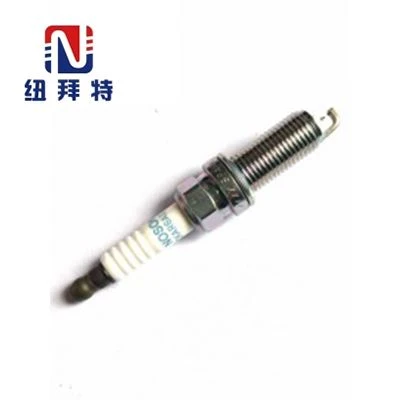

However, even pre - gapped spark plugs may require adjustment in some cases. During shipping and handling, the electrodes of the spark plug can get slightly displaced. A minor shock or jolt can cause the gap to deviate from the factory - set value. Therefore, it is always a good practice to check the gap before installing the spark plugs, even if they are advertised as pre - gapped.
Custom Engine Requirements
If you have a custom - built engine or have made modifications to your vehicle's engine, the factory - set gap may not be suitable. For instance, high - performance engines often require a different spark plug gap to optimize the ignition process. An engine with a forced - induction system, such as a turbocharger or supercharger, may need a smaller gap to ensure a more reliable spark under high - pressure conditions.
On the other hand, some engines with advanced ignition systems may be able to tolerate a wider gap, which can result in a larger and more powerful spark, leading to better combustion and potentially improved fuel efficiency. In these cases, you may need to gap the spark plugs to meet the specific requirements of your engine. Our Auto Double Iridium Spark Plug can be a great choice for such custom - tuned engines, and proper gapping is essential to fully utilize its performance.
The Importance of Correct Gapping
Proper gapping of spark plugs is vital for the overall performance of your vehicle. If the gap is too small, the spark may not be strong enough to ignite the air - fuel mixture effectively. This can lead to misfires, rough idling, and reduced power output. In addition, a small gap can cause the spark plug to overheat, which may damage the electrodes and shorten the lifespan of the spark plug.
Conversely, if the gap is too large, the ignition system may struggle to generate a spark across the gap. This can also result in misfires, especially under high - load conditions. Moreover, a large gap can cause the ignition system to work harder, potentially leading to premature wear of the ignition components.
How to Gap Spark Plugs
Gapping spark plugs is a relatively straightforward process, but it requires precision. You will need a spark plug gap tool, which can be purchased at most auto parts stores.
- Inspect the Spark Plug: First, visually inspect the spark plug for any damage or debris. Make sure the electrodes are clean and in good condition.
- Measure the Gap: Use the spark plug gap tool to measure the existing gap between the center and ground electrodes. The tool usually has a series of wires or blades of different thicknesses. Find the one that fits snugly into the gap without forcing it.
- Adjust the Gap: If the gap needs to be adjusted, you can carefully bend the ground electrode. To decrease the gap, gently tap the side of the spark plug on a hard surface or use the gap tool to push the ground electrode towards the center electrode. To increase the gap, use the gap tool to carefully pry the ground electrode away from the center electrode. Be very gentle when making these adjustments to avoid damaging the electrodes.
- Re - measure the Gap: After making the adjustment, re - measure the gap to ensure it is within the specified range for your engine. Refer to your vehicle's owner's manual or the spark plug manufacturer's recommendations for the correct gap size.
Our Spark Plug Offerings
As a leading supplier of spark plugs for cars, we offer a wide range of high - quality spark plugs to meet the diverse needs of our customers. Our Spark Plug Single Iridium is known for its durability and excellent ignition performance. Iridium is a precious metal that offers high melting point and corrosion resistance, ensuring a long - lasting and reliable spark.
Our double - iridium spark plugs, on the other hand, feature iridium electrodes on both the center and ground electrodes, providing an even more powerful and consistent spark. Whether you have a standard vehicle or a high - performance machine, we have the right spark plug for you.
Conclusion
In conclusion, while many spark plugs come pre - gapped, it is still important to check and, if necessary, adjust the gap before installation. Custom - built or modified engines may require specific gapping to optimize performance. Correct gapping of spark plugs is crucial for the smooth operation of your vehicle, ensuring efficient combustion, reduced emissions, and extended lifespan of the spark plugs and ignition components.
If you are in the market for high - quality spark plugs for your car, we invite you to explore our product range. We are committed to providing the best products and customer service. Whether you have questions about spark plug gapping or need assistance in choosing the right spark plug for your vehicle, our team of experts is here to help. Contact us to start a procurement discussion and take your vehicle's performance to the next level.
References
- "Automotive Engine Performance" by James D. Halderman.
- Manufacturer's specifications for various spark plug models.
- Vehicle owner's manuals for different car makes and models.