

What is the role of the insulator in an automotive spark plug?
Jun 02, 2025
As a seasoned automotive spark plug supplier, I've witnessed firsthand the pivotal role that every component of a spark plug plays in the efficient operation of a vehicle. Among these components, the insulator stands out as a critical element that often goes unnoticed but is essential for the proper functioning of the spark plug. In this blog, I'll delve into the multifaceted role of the insulator in an automotive spark plug, exploring its functions, materials, and impact on engine performance.
Electrical Insulation
The primary function of the insulator in a spark plug is to provide electrical insulation between the central electrode and the outer shell of the spark plug. When the ignition system sends a high-voltage electrical charge to the spark plug, the insulator prevents the electricity from leaking out and ensures that it is directed precisely to the gap between the electrodes. This insulation is crucial because any leakage of electricity can result in a weak or inconsistent spark, leading to misfires, reduced engine power, and increased fuel consumption.
The insulator must be able to withstand extremely high voltages, often reaching up to 40,000 volts or more. To achieve this, spark plug insulators are typically made from materials with excellent electrical insulating properties, such as alumina ceramic. Alumina ceramic is a popular choice due to its high dielectric strength, which allows it to resist electrical breakdown even under high-voltage conditions. Additionally, alumina ceramic has good thermal conductivity, which helps to dissipate heat generated by the spark plug during operation.
Thermal Management
In addition to providing electrical insulation, the insulator also plays a vital role in thermal management within the spark plug. During the combustion process, the spark plug is exposed to extremely high temperatures, which can reach up to 2,000 degrees Celsius. The insulator helps to protect the central electrode and other internal components of the spark plug from these high temperatures by acting as a heat shield.
The insulator is designed to transfer heat away from the central electrode and towards the outer shell of the spark plug, where it can be dissipated into the engine's cooling system. This process helps to prevent the central electrode from overheating, which can cause it to melt or erode over time. By maintaining a stable operating temperature, the insulator ensures that the spark plug can function reliably and efficiently over an extended period.
Mechanical Support
The insulator also provides mechanical support for the central electrode, helping to keep it in place and aligned within the spark plug. During operation, the spark plug is subjected to high levels of vibration and mechanical stress, which can cause the central electrode to shift or become misaligned. The insulator helps to prevent this by providing a rigid structure that holds the central electrode securely in place.
In addition to supporting the central electrode, the insulator also helps to protect it from damage caused by contact with other components within the engine. The outer surface of the insulator is designed to be smooth and resistant to abrasion, which helps to prevent the central electrode from being scratched or damaged during installation or removal of the spark plug.
Chemical Resistance
Another important function of the insulator is to provide chemical resistance to the harsh environment within the engine. During the combustion process, the spark plug is exposed to a variety of chemicals, including fuel, oil, and combustion by-products. These chemicals can be corrosive and can cause damage to the insulator over time.
To prevent this, spark plug insulators are typically coated with a layer of protective material, such as a glaze or a ceramic coating. This coating helps to protect the insulator from chemical attack and ensures that it remains functional for an extended period. Additionally, the insulator is designed to be resistant to thermal shock, which can occur when the spark plug is exposed to rapid changes in temperature.
Impact on Engine Performance
The performance of the insulator in a spark plug can have a significant impact on the overall performance of the engine. A high-quality insulator with excellent electrical insulation, thermal management, mechanical support, and chemical resistance properties can help to ensure that the spark plug functions reliably and efficiently, resulting in improved engine performance, reduced emissions, and increased fuel efficiency.
On the other hand, a faulty or low-quality insulator can lead to a variety of problems, including misfires, reduced engine power, increased fuel consumption, and increased emissions. For example, if the insulator is damaged or cracked, it can allow electricity to leak out, resulting in a weak or inconsistent spark. This can cause the engine to misfire, which can lead to rough idling, poor acceleration, and reduced fuel efficiency.
Choosing the Right Spark Plug
When choosing a spark plug for your vehicle, it's important to consider the quality and performance of the insulator. Look for spark plugs that are made from high-quality materials, such as alumina ceramic, and that have been designed to provide excellent electrical insulation, thermal management, mechanical support, and chemical resistance properties.
Additionally, it's important to choose a spark plug that is compatible with your vehicle's engine and ignition system. Different engines have different requirements for spark plugs, including the heat range, the electrode gap, and the thread size. Choosing the wrong spark plug can result in poor engine performance, reduced fuel efficiency, and increased emissions.
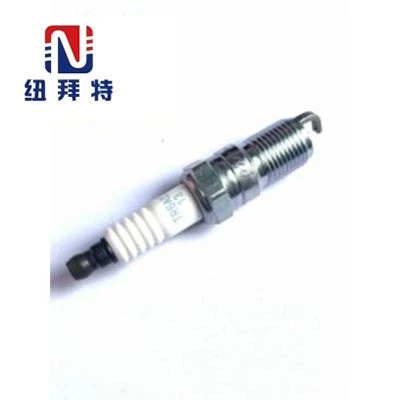

If you're unsure which spark plug is right for your vehicle, you can consult your vehicle's owner's manual or a qualified automotive technician. They can provide you with recommendations based on your vehicle's make, model, and engine specifications.
Conclusion
In conclusion, the insulator plays a crucial role in the proper functioning of an automotive spark plug. It provides electrical insulation, thermal management, mechanical support, and chemical resistance, all of which are essential for the reliable and efficient operation of the spark plug. By understanding the role of the insulator in a spark plug, you can make informed decisions when choosing a spark plug for your vehicle and ensure that your engine performs at its best.
If you're in the market for high-quality automotive spark plugs, look no further. As a trusted supplier, we offer a wide range of spark plugs to suit various vehicle makes and models. Our spark plugs are designed and manufactured to the highest standards, ensuring excellent performance, reliability, and durability.
To learn more about our spark plug products, visit our website: Spark Plugs Recommending, Ignition Plug Auto, Spark Plug Automatic Car. If you have any questions or would like to discuss your specific requirements, please don't hesitate to contact us. We're here to help you find the perfect spark plug solution for your automotive needs.
References
- "Automotive Spark Plug Design and Performance," SAE International
- "Ceramic Materials for Spark Plug Insulators," Journal of the American Ceramic Society
- "Thermal Management in Automotive Spark Plugs," Proceedings of the ASME Internal Combustion Engine Division Fall Technical Conference