

How do new - generation auto ignition plugs differ from traditional ones?
Sep 12, 2025
In the ever - evolving automotive industry, ignition plugs play a crucial role in the efficient operation of internal combustion engines. As a long - standing auto ignition plug supplier, I've witnessed firsthand the significant differences between new - generation auto ignition plugs and their traditional counterparts. This blog aims to explore these differences in detail, highlighting the advancements that new - generation plugs bring to the table.
Construction and Materials
Traditional ignition plugs typically had electrodes made of materials like copper or nickel - alloy. Copper, for instance, was a popular choice due to its excellent thermal conductivity. However, copper electrodes tend to erode relatively quickly under the high - temperature and high - pressure conditions inside an engine's combustion chamber. Nickel - alloy electrodes, while more durable than copper, still faced limitations in terms of long - term performance and resistance to wear.
On the other hand, new - generation ignition plugs often feature electrodes made of precious metals such as iridium or platinum. Iridium, in particular, is extremely hard and has a high melting point. This allows iridium - tipped electrodes to withstand the harsh environment of the combustion chamber for much longer periods. For example, Auto Ignition Plug Double Iridium utilizes double - iridium construction, which not only enhances durability but also provides a more consistent spark. The fine tip of an iridium electrode can generate a more concentrated and powerful spark, leading to better combustion efficiency.

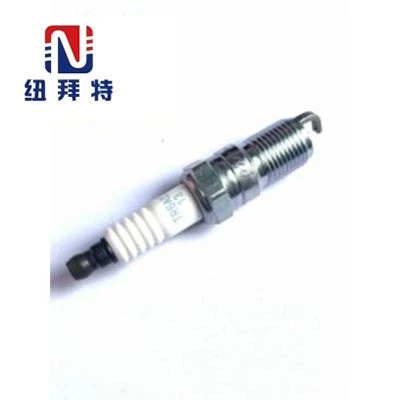
Platinum is another material commonly used in new - generation plugs. It offers good corrosion resistance and can maintain its shape and performance over a long service life. Platinum - tipped electrodes reduce the rate of electrode wear, ensuring that the spark plug continues to function optimally for an extended period.
Spark Generation and Combustion Efficiency
One of the most significant differences between new - generation and traditional ignition plugs lies in their ability to generate a spark and promote efficient combustion. Traditional plugs often had larger electrode gaps, which required a higher voltage to create a spark. This could lead to inconsistent spark generation, especially as the electrodes wore down over time. Inconsistent sparks result in incomplete combustion, which can cause a variety of issues such as reduced power output, increased fuel consumption, and higher emissions.
New - generation ignition plugs, with their advanced electrode designs and materials, can produce a more reliable and powerful spark. The smaller electrode gaps in many new - generation plugs, combined with the use of precious metals, allow for a lower voltage requirement to create a spark. This means that the ignition system can operate more efficiently, and the spark is more likely to ignite the air - fuel mixture completely.
For example, Ignition Plug for Car is designed to provide a more precise and consistent spark. The improved spark quality leads to better atomization of the fuel, which in turn promotes more complete combustion. As a result, engines equipped with new - generation ignition plugs can experience increased power output, improved fuel economy, and reduced emissions.
Heat Range and Engine Adaptability
Heat range is an important characteristic of ignition plugs. It refers to the plug's ability to dissipate heat from the tip of the electrode to the engine's cooling system. Traditional ignition plugs had a relatively narrow heat range, which meant that they needed to be carefully matched to the engine's specific requirements. If a plug with the wrong heat range was installed, it could lead to problems such as overheating or fouling.
New - generation ignition plugs are designed with a wider heat range, making them more adaptable to different engine conditions. This is particularly beneficial for modern engines, which often operate under a variety of loads and speeds. The ability of new - generation plugs to handle a broader range of temperatures reduces the risk of overheating and fouling, ensuring reliable performance in different driving scenarios.
For instance, Ignition Plug Auto is engineered to provide a stable heat range, allowing it to work effectively in both high - performance engines and everyday commuter vehicles. This adaptability makes new - generation ignition plugs a more versatile choice for automotive manufacturers and consumers alike.
Service Life and Maintenance
Traditional ignition plugs typically had a shorter service life, often requiring replacement every 20,000 - 30,000 miles. The rapid erosion of the electrodes and the degradation of the insulation materials meant that regular maintenance was necessary to keep the engine running smoothly. Failing to replace a worn - out traditional ignition plug could lead to a host of problems, including misfires, reduced fuel efficiency, and engine damage.
New - generation ignition plugs, thanks to their durable materials and advanced designs, have a significantly longer service life. Some new - generation plugs can last up to 100,000 miles or more before needing replacement. This extended service life reduces the frequency of maintenance and saves both time and money for vehicle owners.
In addition, the consistent performance of new - generation ignition plugs over their long service life means that the engine can continue to operate at its best without the need for frequent adjustments or tune - ups. This reliability is a major advantage for modern vehicles, which are expected to provide trouble - free operation for extended periods.
Compatibility with Modern Engine Technologies
Modern engines are equipped with advanced technologies such as direct injection, turbocharging, and variable valve timing. These technologies place higher demands on the ignition system, and traditional ignition plugs may not be able to meet these requirements effectively.
New - generation ignition plugs are specifically designed to be compatible with these modern engine technologies. They can provide the precise spark timing and intensity needed to ensure optimal combustion in direct - injection engines, where the fuel is injected directly into the combustion chamber. In turbocharged engines, new - generation plugs can withstand the higher pressures and temperatures generated by the forced induction system.
The ability of new - generation ignition plugs to work seamlessly with modern engine technologies is essential for achieving the full potential of these advanced engines. It allows for improved performance, better fuel economy, and reduced emissions, which are all key goals in the automotive industry today.
Conclusion
In conclusion, the differences between new - generation auto ignition plugs and traditional ones are substantial. From construction and materials to spark generation, heat range, service life, and compatibility with modern engine technologies, new - generation plugs offer significant advantages. As an auto ignition plug supplier, I am proud to offer a range of high - quality new - generation ignition plugs that can meet the diverse needs of the automotive market.
If you are in the market for ignition plugs, whether you are an automotive manufacturer, a repair shop, or an individual vehicle owner, I encourage you to explore our product range. Our Auto Ignition Plug Double Iridium, Ignition Plug for Car, and Ignition Plug Auto are designed to provide the best performance and reliability.
Contact us to discuss your specific requirements and start a procurement negotiation. We are committed to providing you with the highest - quality ignition plugs at competitive prices and excellent customer service.
References
- Bosch Automotive Handbook. 8th Edition.
- SAE International Technical Papers on Ignition Systems.
- NGK Spark Plug Technical Literature.