

Are there any maintenance tips for car spark plugs?
Sep 11, 2025
As a seasoned car spark plugs supplier, I've witnessed firsthand the pivotal role these small yet mighty components play in a vehicle's performance. Spark plugs are the ignition source that sets the air-fuel mixture ablaze within the engine cylinders, kick - starting the combustion process that powers your car. Over time, however, spark plugs can wear out, leading to a range of issues from reduced fuel efficiency to engine misfires. In this blog, I'll share some essential maintenance tips for car spark plugs, ensuring your customers' vehicles run smoothly and efficiently.
Understanding the Basics of Spark Plugs
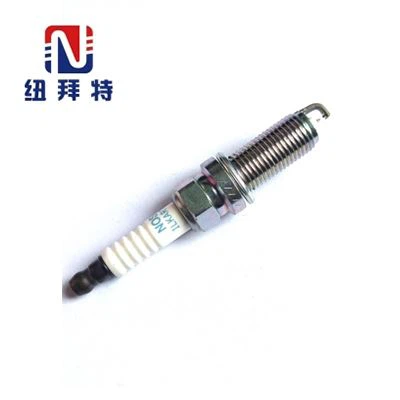
Before delving into maintenance tips, it's crucial to understand the different types of spark plugs available. At our company, we offer a variety of high - quality spark plugs, including Spark Plug Single Iridium and Spark Plug Double Iridium. Single iridium spark plugs feature an iridium tip on the center electrode, which provides excellent durability and a consistent spark. Double iridium spark plugs, on the other hand, have iridium tips on both the center and ground electrodes, offering even better performance and a longer lifespan.
Regular Inspection
One of the most important maintenance tips for spark plugs is regular inspection. Over time, spark plugs can accumulate carbon deposits, oil residue, and other contaminants. These deposits can interfere with the spark plug's ability to produce a strong spark, leading to poor engine performance. It's recommended to inspect spark plugs at least once a year or every 12,000 - 15,000 miles, depending on the vehicle's make and model.
During the inspection, remove the spark plugs from the engine using a spark plug socket. Check the electrodes for signs of wear, such as erosion or excessive gap. A worn - out electrode can cause a weak spark, leading to misfires and reduced power. If the electrodes are worn beyond the manufacturer's specifications, it's time to replace the spark plugs. Also, look for any signs of carbon buildup or oil fouling on the spark plug. Carbon deposits can be removed by gently sanding the electrodes with fine - grit sandpaper, but if the fouling is severe, replacement may be necessary.
Proper Installation
Proper installation of spark plugs is just as important as regular inspection. When installing new spark plugs, make sure to use the correct torque specification. Over - tightening the spark plugs can damage the threads in the cylinder head, while under - tightening can cause a loose connection, leading to poor performance and potential engine damage. Refer to the vehicle's owner's manual or the spark plug manufacturer's instructions for the correct torque value.
Additionally, always use a new spark plug gasket when installing spark plugs. The gasket helps to create a proper seal between the spark plug and the cylinder head, preventing leaks and ensuring efficient combustion. Before installing the spark plugs, apply a small amount of anti - seize compound to the threads. This will make it easier to remove the spark plugs in the future and prevent them from seizing in the cylinder head.
Choosing the Right Spark Plugs
Selecting the right spark plugs for a vehicle is crucial for optimal performance. Different vehicles have different requirements based on factors such as engine design, compression ratio, and fuel type. At our company, we offer a comprehensive Spark Plugs Recommending service to help customers choose the most suitable spark plugs for their vehicles.
When recommending spark plugs, we take into account the vehicle's make, model, year, and engine specifications. We also consider the customer's driving habits and performance requirements. For example, if a customer drives mostly in stop - and - go traffic, they may benefit from spark plugs with a shorter heat range to prevent fouling. On the other hand, if a customer has a high - performance vehicle, they may require spark plugs with a higher heat range to handle the increased combustion temperatures.

Fuel Quality
The quality of the fuel used in a vehicle can also have a significant impact on spark plug performance. Low - quality fuel can contain impurities and additives that can cause carbon deposits to form on the spark plugs more quickly. To maintain the health of the spark plugs, it's recommended to use high - quality fuel from reputable gas stations.
In addition, using fuel additives can help to keep the fuel system clean and prevent carbon buildup on the spark plugs. There are various fuel additives available on the market that are specifically designed to clean the fuel injectors, intake valves, and spark plugs. These additives can improve fuel efficiency, reduce emissions, and extend the life of the spark plugs.
Avoiding Over - Revving and Hard Acceleration
Excessive revving and hard acceleration can put a lot of stress on the spark plugs and the engine. When the engine is revved at high speeds or accelerated rapidly, the combustion process becomes more intense, generating higher temperatures and pressures. This can cause the spark plugs to wear out more quickly and increase the risk of misfires.
To prolong the life of the spark plugs, encourage customers to drive smoothly and avoid unnecessary high - speed driving and rapid acceleration. By driving in a more conservative manner, the engine operates under less stress, and the spark plugs are subjected to more moderate conditions, resulting in a longer lifespan.
Storage of Spark Plugs
If you have spare spark plugs in stock or customers have purchased extra spark plugs for future use, proper storage is essential. Spark plugs should be stored in a dry, cool place away from moisture and extreme temperatures. Exposure to moisture can cause the electrodes to corrode, while high temperatures can damage the insulator.
It's also a good idea to keep the spark plugs in their original packaging or in a sealed container to protect them from dust and contaminants. This will ensure that the spark plugs remain in good condition until they are ready to be installed.
Conclusion
Maintaining car spark plugs is essential for ensuring the smooth and efficient operation of a vehicle. By following these maintenance tips, including regular inspection, proper installation, choosing the right spark plugs, using high - quality fuel, avoiding over - revving, and proper storage, you can help your customers keep their spark plugs in top condition and extend the life of their engines.
As a leading spark plugs supplier, we are committed to providing high - quality products and excellent customer service. If you are interested in purchasing our spark plugs or have any questions about spark plug maintenance, please feel free to contact us for procurement and further discussions. We look forward to serving you and helping you keep your vehicles running at their best.
References
- "Automotive Spark Plug Handbook" by the Society of Automotive Engineers
- Vehicle owner's manuals from various manufacturers
- Technical bulletins from spark plug manufacturers