

How do I clean a spark plug boot on a lawnmower?
Aug 07, 2025
Hey there, fellow lawn care enthusiasts! As a supplier of Spark Plug Lawnmower, I've seen my fair share of spark plug issues. One common problem that can really mess with your lawnmower's performance is a dirty spark plug boot. In this blog, I'm gonna walk you through how to clean a spark plug boot on a lawnmower, so you can keep your machine running smoothly.
Why Clean the Spark Plug Boot?
Before we get into the cleaning process, let's talk about why it's important to clean the spark plug boot. The spark plug boot is the rubber connector that attaches the spark plug wire to the spark plug. Over time, dirt, grime, oil, and carbon deposits can build up on the boot. This buildup can cause a poor electrical connection between the wire and the plug, leading to misfires, hard starting, and reduced engine performance. By keeping the spark plug boot clean, you ensure a consistent spark, which is essential for efficient combustion in your lawnmower's engine.
Tools and Materials You'll Need
- Gloves: To protect your hands from dirt and chemicals.
- Safety Glasses: To shield your eyes from debris.
- Wire Brush: A small, stiff wire brush is great for removing stubborn deposits.
- Clean Cloth: For wiping down the boot and other components.
- Electrical Contact Cleaner: This will help dissolve and remove dirt and grime.
- Dielectric Grease: Optional but recommended for preventing future corrosion and improving the electrical connection.
Step-by-Step Cleaning Process
Step 1: Safety First
Before you start working on your lawnmower, make sure it's turned off and cooled down. Remove the spark plug wire from the spark plug to prevent accidental ignition. Put on your gloves and safety glasses to protect yourself.
Step 2: Locate the Spark Plug Boot
The spark plug boot is usually located at the end of the spark plug wire. It's a rubber or silicone cover that fits snugly over the spark plug. On most lawnmowers, you can easily access it by lifting the engine cover or looking near the top of the engine.
Step 3: Remove the Spark Plug Boot
Gently grasp the boot near the base and pull it straight off the spark plug. Be careful not to pull on the wire itself, as this can damage the wire or the connection inside the boot. If the boot is stuck, you can try wiggling it gently from side to side while pulling.
Step 4: Inspect the Boot
Take a close look at the boot for any signs of damage, such as cracks, tears, or excessive wear. If you notice any damage, it's a good idea to replace the boot. A damaged boot can cause electrical problems and may even pose a safety hazard.
Step 5: Clean the Boot
- Using a Wire Brush: If there are any stubborn deposits on the inside or outside of the boot, you can use a small wire brush to gently scrub them away. Be careful not to scratch the rubber or silicone material.
- Using Electrical Contact Cleaner: Spray the electrical contact cleaner onto a clean cloth or directly into the boot. Wipe the inside and outside of the boot thoroughly to remove dirt, grime, and oil. Make sure to get into all the crevices and corners.
Step 6: Clean the Spark Plug and Wire
While you have the boot off, it's a good idea to clean the spark plug and the end of the spark plug wire as well. Use the wire brush to remove any carbon deposits from the spark plug electrode. Wipe the end of the wire with the electrical contact cleaner to ensure a clean connection.
Step 7: Apply Dielectric Grease (Optional)
If you have dielectric grease on hand, apply a small amount to the inside of the spark plug boot. This will help prevent moisture and corrosion from affecting the electrical connection. It also makes it easier to remove the boot in the future.
Step 8: Reinstall the Spark Plug Boot
Once the boot, spark plug, and wire are clean and dry, carefully slide the boot back onto the spark plug. Make sure it fits snugly and that there are no gaps or loose connections.
Step 9: Reconnect the Spark Plug Wire
Reattach the spark plug wire to the boot, making sure it clicks into place. Give it a gentle tug to ensure it's securely connected.
Step 10: Test Your Lawnmower
Start your lawnmower and let it run for a few minutes. Pay attention to how it starts and runs. If you notice any improvement in performance, such as smoother starting or better acceleration, then you've done a great job cleaning the spark plug boot.
Tips for Maintaining a Clean Spark Plug Boot
- Regular Inspections: Make it a habit to inspect the spark plug boot during your regular lawnmower maintenance. Look for signs of dirt, damage, or wear, and clean or replace the boot as needed.
- Keep Your Lawnmower Clean: A clean lawnmower is less likely to have dirty spark plug boots. After each use, wipe down the engine and the area around the spark plug to remove dirt and debris.
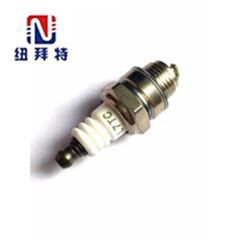
- Use Quality Spark Plugs and Wires: Investing in high-quality spark plugs and wires can reduce the risk of electrical problems and prolong the life of your spark plug boot. Check out our Spark Plugs For Garden Machinery for top-notch options.
Conclusion
Cleaning the spark plug boot on your lawnmower is a simple yet important maintenance task that can significantly improve your machine's performance. By following the steps outlined in this blog, you can keep your spark plug boot clean and ensure a reliable spark for your lawnmower's engine.
If you're in the market for high-quality spark plugs or other lawnmower parts, we're here to help. As a leading supplier of Spark Plug Lawnmower and Comber Machine Spark Plug, we offer a wide range of products to meet your needs. Whether you're a professional landscaper or a DIY enthusiast, we've got you covered.
If you have any questions or would like to discuss your purchasing options, feel free to reach out to us. We're always happy to help you find the right parts for your lawnmower.

References
- "Small Engine Repair Manual" - Various editions
- Manufacturer's manuals for lawnmowers and related equipment