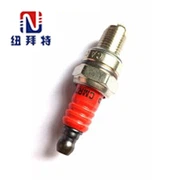
Spark Plug Gap And Temperature Requirements
Jan 02, 2024
clearance requirements
The gap between the spark plug electrodes has a great influence on the work of the spark plug. If the gap is too small, the spark will be weak and it will easily cause leakage due to carbon deposits. If the gap is too large, the required breakdown voltage will increase, making it difficult for the engine to start, and at high speeds. "Misfire" phenomenon is prone to occur, so the spark plug gap should be appropriate. Generally, the spark plug gap used in battery ignition system is 0.7~0.8mm, and the gap of individual spark plugs can reach more than 1.0mm.
Temperature requirements
The spark plug insulator skirt (referring to the tapered part of the insulator outside the spark plug center electrode) directly contacts the high-temperature gas in the combustion chamber and absorbs a large amount of heat. The absorbed heat is transferred to the cylinder head and the atmosphere through the outer shell. Experiments have shown that to ensure the normal operation of the automobile engine, the spark plug insulator skirt should maintain a temperature of 500 to 600°C (this temperature is called the self-cleaning temperature of the spark plug). If the temperature is lower than this value, a buildup will be formed on the insulator skirt. Carbon causes leakage between electrodes and affects spark plug flashover. If the insulator temperature is too high (more than 900°C), when the mixture comes into contact with such a hot insulator, a hot ignition will occur, causing premature combustion in the engine. The normal working temperature of the spark plug is between 450 and 870°C. At this time, the spark plug is yellowish brown. If the working temperature of the spark plug is lower than 450°C for a long time, there will be a lot of carbon deposits around the spark plug and the spark plug will turn black.