

What materials are sawmill spark plugs made of?
Dec 15, 2025
Hey there! As a supplier of sawmill spark plugs, I often get asked about what materials these little but crucial parts are made of. So, let's dive right in and explore the different materials that go into making sawmill spark plugs.
The Core Components
Center Electrode
The center electrode plays a vital role in creating the spark that ignites the fuel - air mixture in your sawmill engine. Different materials are used for this electrode, each with its own set of advantages.
One common material is nickel - based alloy. Nickel is great because it's relatively inexpensive and offers decent corrosion resistance. It can handle the high - temperature environment inside the engine cylinder for a reasonable amount of time. Most lower - cost sawmill spark plugs use nickel - based center electrodes. They are a good option for basic, light - duty sawmill operations where the engine doesn't run at extremely high temperatures or under heavy loads all the time.
For more high - performance sawmill engines, platinum or iridium are the preferred choices. Platinum is extremely durable and has a high melting point. It can maintain a consistent spark over a longer period compared to nickel. This means fewer misfires and better engine performance. Platinum - tipped center electrodes are often found in mid - range to high - end sawmill spark plugs. You can check out our Sawmill Spark Plug range, which includes some great platinum - based options.

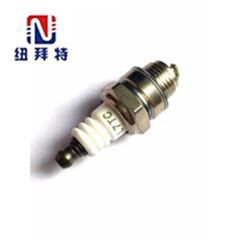
Iridium is even more advanced. It's one of the hardest and most corrosion - resistant metals. Iridium center electrodes can be made very thin, which allows for a more precise and powerful spark. This results in improved fuel efficiency, better throttle response, and overall smoother engine operation. If your sawmill is used for heavy - duty, continuous cutting, an iridium - tipped spark plug might be the best choice for you.
Ground Electrode
The ground electrode is another important part of the spark plug. Similar to the center electrode, nickel - based alloys are commonly used here as well. Nickel can withstand the heat and electrical arcing that occurs during the spark generation process. It forms a stable ground for the spark to jump across from the center electrode to ignite the fuel - air mixture.
Some high - end spark plugs use platinum or iridium on the ground electrode too. This not only enhances the durability of the spark plug but also helps in maintaining a consistent spark gap over a longer lifespan. A consistent spark gap is crucial for proper engine ignition, and using these precious metals can ensure that the spark plug performs well for a long time.
Insulator
The insulator is responsible for keeping the electrical current flowing from the center electrode to the spark gap and preventing it from short - circuiting. Alumina ceramic is the most widely used material for spark plug insulators. It has excellent electrical insulation properties, can withstand high temperatures, and is resistant to thermal shock.
Alumina ceramic insulators are able to maintain their integrity even when the engine is running at very high temperatures. They also have good mechanical strength, which helps them resist the vibrations and mechanical stresses that occur inside the engine. This ensures that the spark plug functions properly and doesn't break down due to the harsh operating conditions.
Metal Shell
The metal shell of the sawmill spark plug serves as a mechanical support and also a heat conductor. It is usually made of steel. Steel is strong and can withstand the mechanical forces that are exerted on the spark plug during installation and operation. It also has good heat - conducting properties, which helps to transfer the heat generated inside the spark plug to the engine block.
The steel shell is often coated with a layer of nickel or chrome to prevent corrosion. This coating protects the shell from the harsh chemicals and moisture that are present in the engine environment. A well - protected metal shell ensures that the spark plug remains in good condition and can be easily removed and replaced when needed.
Why Material Choices Matter
The materials used in sawmill spark plugs have a significant impact on their performance and lifespan. For example, if you use a low - quality nickel electrode in a high - performance sawmill engine that runs at high temperatures and under heavy loads, the electrode may wear out quickly. This can lead to misfires, reduced engine power, and increased fuel consumption.
On the other hand, if you invest in a spark plug with a platinum or iridium electrode, you can expect better performance, longer service life, and fewer maintenance issues. These high - end spark plugs may cost more upfront, but they can save you money in the long run by reducing the need for frequent replacements and improving fuel efficiency.
Our Product Range
As a sawmill spark plug supplier, we offer a wide range of spark plugs to suit different sawmill engines and operating conditions. Our Spark Plugs for Garden Machinery collection includes spark plugs for sawmills, lawnmowers, and other garden equipment. Whether you need a basic nickel - based spark plug for light - duty use or a high - performance iridium - tipped spark plug for heavy - duty sawmill operations, we've got you covered.
We also understand the importance of quality and reliability. That's why we source our spark plugs from reputable manufacturers and test them thoroughly to ensure that they meet or exceed industry standards. Our Spark Plug Lawnmower range is known for its excellent performance and long lifespan.
Let's Talk Business
If you're in the market for sawmill spark plugs, I'd love to have a chat with you. Whether you're a small - scale sawmill operator or a large - scale industrial user, we can find the right spark plugs for your needs. Our team of experts is always ready to provide you with advice and support, and we can offer competitive pricing and fast delivery. So, don't hesitate to reach out and let's start a discussion about your sawmill spark plug requirements.
References
- "Automotive Spark Plug Technology", SAE International Handbook
- "Materials Science for Engine Components", ASM International Publications