

What is the role of the ground electrode on an ignition plug for a car?
Jul 01, 2025
The ignition system in a car is a critical component that directly influences the engine's performance and efficiency. At the heart of this system lies the ignition plug, a small yet powerful device responsible for igniting the air - fuel mixture in the engine's combustion chamber. Among the various parts of an ignition plug, the ground electrode plays a vital role. As a leading supplier of ignition plugs for cars, I will delve into the significance of the ground electrode in this blog.
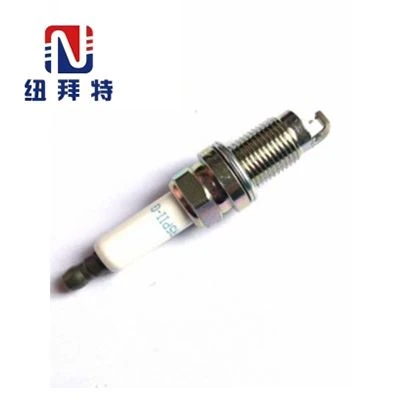

Structure and Basics of an Ignition Plug
Before discussing the role of the ground electrode, it's essential to understand the basic structure of an ignition plug. An ignition plug typically consists of a center electrode, an insulator, a metal shell, and a ground electrode. The center electrode is connected to the ignition system, which sends a high - voltage electrical current. The insulator surrounds the center electrode to prevent the electrical current from leaking. The metal shell provides mechanical support and is grounded to the engine block. The ground electrode, on the other hand, is a metal rod that is bent towards the center electrode.
The Role of the Ground Electrode in Spark Generation
The primary function of the ground electrode is to complete the electrical circuit necessary for spark generation. When the ignition system sends a high - voltage pulse to the center electrode, an electrical potential difference is created between the center electrode and the ground electrode. As the voltage builds up, it overcomes the air gap between the two electrodes, causing the air to ionize. This ionization creates a conductive path, allowing the electrical current to flow from the center electrode to the ground electrode. The flow of this high - energy current produces a spark, which ignites the air - fuel mixture in the combustion chamber.
The shape, size, and material of the ground electrode can significantly affect the spark characteristics. For example, a thinner ground electrode reduces the amount of material that the spark has to jump over, resulting in a more focused and intense spark. This can lead to more efficient combustion of the air - fuel mixture, improving engine performance and fuel efficiency.
Impact on Combustion Efficiency
The ground electrode also plays a crucial role in determining the combustion efficiency of the engine. A well - designed ground electrode can help to ensure that the spark is generated at the optimal location within the combustion chamber. This allows the flame front to propagate evenly through the air - fuel mixture, leading to more complete combustion.
When the combustion is more complete, more of the chemical energy stored in the fuel is converted into mechanical energy, which powers the vehicle. This not only improves the engine's power output but also reduces emissions. For instance, incomplete combustion can result in the production of pollutants such as carbon monoxide and unburned hydrocarbons. By promoting efficient combustion, the ground electrode helps to minimize these harmful emissions.
Heat Dissipation
Another important function of the ground electrode is heat dissipation. During the combustion process, a large amount of heat is generated in the combustion chamber. The ground electrode, being in direct contact with the hot gases, absorbs some of this heat and transfers it to the metal shell of the ignition plug. From there, the heat is dissipated into the engine block.
Proper heat dissipation is crucial for the longevity of the ignition plug. If the heat is not dissipated effectively, the ignition plug can overheat, leading to pre - ignition or even damage to the electrode. This can cause engine misfires, reduced performance, and increased fuel consumption. Therefore, the design and material of the ground electrode are carefully chosen to ensure efficient heat transfer.
Our Product Range and the Ground Electrode
As a supplier of ignition plugs for cars, we offer a wide range of products that are designed with advanced ground electrode technology. Our Double Iridium Spark Plug for Car features a high - quality ground electrode made of iridium. Iridium is a precious metal known for its high melting point and excellent corrosion resistance. This makes the ground electrode more durable and able to withstand the harsh conditions inside the combustion chamber.
Our Spark Plugs for Automotive are also designed with optimized ground electrode shapes. The unique shapes are engineered to create a more stable and intense spark, which promotes efficient combustion across a wide range of engine operating conditions.
In addition, our Spark Plug Auto Part is manufactured with strict quality control measures to ensure that the ground electrode provides reliable performance. We understand that the ground electrode is a critical component of the ignition plug, and we strive to offer products that meet the highest standards of quality and performance.
Conclusion and Call to Action
In conclusion, the ground electrode on an ignition plug for a car plays a multifaceted role in the ignition and combustion processes. It is essential for spark generation, combustion efficiency, heat dissipation, and overall engine performance. As a trusted supplier, we are committed to providing high - quality ignition plugs with advanced ground electrode technology.
If you are in the market for ignition plugs for your cars or looking to establish a long - term partnership for procurement, we invite you to reach out to us. Our team of experts is ready to assist you in finding the right ignition plugs that meet your specific requirements. Whether you need ignition plugs for a small - scale automotive repair shop or a large - scale vehicle manufacturing plant, we have the products and the expertise to serve you.
References
- Heywood, J. B. (1988). Internal Combustion Engine Fundamentals. McGraw - Hill.
- Taylor, C. F. (1985). The Internal Combustion Engine in Theory and Practice. MIT Press.