

What is the importance of spark plugs in a car's combustion process?
May 12, 2025
The combustion process in a car engine is a complex and crucial operation that directly influences the vehicle's performance, efficiency, and overall reliability. At the heart of this process lies a small yet mighty component: the spark plug. As a leading supplier of high - quality spark plugs for cars, I've witnessed firsthand the significant impact these tiny parts have on a vehicle's operation. In this blog, I'll delve into the importance of spark plugs in a car's combustion process and why choosing the right ones matters.
The Basics of the Combustion Process
Before we explore the role of spark plugs, let's briefly understand the combustion process in a car engine. Most modern cars use internal combustion engines, where a mixture of air and fuel is ignited inside the engine's cylinders. This ignition creates a controlled explosion that generates the force needed to move the pistons, which in turn rotates the crankshaft and powers the vehicle.
The four - stroke cycle is the most common combustion process in car engines. It consists of four stages: intake, compression, power, and exhaust. During the intake stroke, the piston moves downward, allowing a mixture of air and fuel to enter the cylinder. In the compression stroke, the piston moves upward, compressing the air - fuel mixture. The power stroke is where the magic happens, and the exhaust stroke expels the burned gases from the cylinder.
The Role of Spark Plugs in Combustion
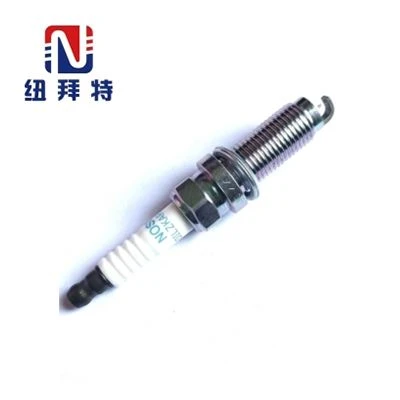
Spark plugs are responsible for initiating the combustion process during the power stroke. They create an electrical spark across a small gap at the end of the plug, which ignites the compressed air - fuel mixture in the cylinder. This spark must be precisely timed and of the right intensity to ensure efficient combustion.
- Timing is Everything: The spark plug fires at a specific moment in the engine cycle, usually just before the piston reaches the top of its compression stroke. This precise timing allows the air - fuel mixture to burn at the optimal time, generating maximum power and efficiency. If the spark occurs too early or too late, it can lead to a variety of problems, such as knocking, reduced power, and increased fuel consumption.
- Ignition Energy: The spark plug must provide enough energy to ignite the air - fuel mixture reliably. The energy of the spark depends on several factors, including the design of the plug, the voltage supplied by the ignition system, and the condition of the plug's electrodes. A weak spark may not be able to ignite the mixture completely, resulting in incomplete combustion and reduced engine performance.
Importance of High - Quality Spark Plugs
As a supplier of car spark plugs, I emphasize the importance of using high - quality products. Here are some reasons why: - Improved Fuel Efficiency: High - quality spark plugs provide a more consistent and powerful spark, which leads to more complete combustion of the air - fuel mixture. This means that the engine can extract more energy from the fuel, resulting in better fuel efficiency. For example, Automotive Single Iridium Spark Plug are designed to offer excellent ignition performance, helping your car consume less fuel and save you money in the long run. - Enhanced Performance: A good spark plug can significantly improve the engine's performance. It can increase power output, reduce engine hesitation, and provide smoother acceleration. The Ignition Plug Double Iridium is a prime example of a high - performance spark plug. Its double - iridium design offers better durability and higher ignition efficiency, ensuring that your engine runs at its best. - Reduced Emissions: Complete combustion also means fewer unburned hydrocarbons and other pollutants are released into the atmosphere. By using high - quality spark plugs, you can help reduce your car's environmental impact and ensure that it meets emission standards. - Longer Lifespan: Quality spark plugs are built to last. They are made from durable materials that can withstand the high temperatures and pressures inside the engine. This means that you won't have to replace them as often, saving you time and money on maintenance.
Choosing the Right Spark Plugs
Selecting the appropriate spark plugs for your car is crucial. There are several factors to consider, such as the make and model of your vehicle, the engine type, and your driving habits. Our Spark Plugs Recommending page can provide you with valuable information to help you make the right choice.
- Heat Range: The heat range of a spark plug refers to its ability to dissipate heat. It's important to choose a spark plug with the correct heat range for your engine. If the heat range is too high, the plug may overheat, leading to pre - ignition and engine damage. If it's too low, the plug may not get hot enough to burn off deposits, resulting in fouling.
- Electrode Material: Spark plugs come with different electrode materials, such as copper, platinum, and iridium. Each material has its own advantages. Copper is a good conductor of electricity but has a relatively short lifespan. Platinum and iridium are more durable and offer better performance, making them ideal for high - performance engines.
Maintenance and Replacement
Proper maintenance of spark plugs is essential to ensure their optimal performance. Over time, spark plugs can become fouled with carbon deposits, oil, or other contaminants. This can affect their ability to create a spark and lead to engine problems.
- Inspection: Regularly inspect your spark plugs to check for signs of wear, fouling, or damage. If you notice any problems, it's important to replace the plugs as soon as possible.
- Replacement Interval: The replacement interval for spark plugs depends on several factors, such as the type of plug, the make and model of your car, and your driving conditions. Generally, copper spark plugs need to be replaced every 20,000 - 30,000 miles, while platinum and iridium spark plugs can last up to 100,000 miles.
Conclusion
In conclusion, spark plugs play a vital role in a car's combustion process. They are responsible for initiating the ignition of the air - fuel mixture, which is essential for the engine to run smoothly and efficiently. As a supplier of high - quality car spark plugs, I understand the importance of providing products that meet the highest standards of performance and reliability.

If you're looking for the best spark plugs for your car, whether it's the Automotive Single Iridium Spark Plug or the Ignition Plug Double Iridium, our Spark Plugs Recommending page can guide you to the right choice. Don't hesitate to reach out to us for more information or to discuss your specific requirements. We're here to help you ensure that your car's engine performs at its best.
References
- Heywood, J. B. (1988). Internal Combustion Engine Fundamentals. McGraw - Hill.
- Taylor, C. F. (1966). The Internal Combustion Engine in Theory and Practice. MIT Press.