

What is the function of a car ignition plug?
Oct 23, 2025
The ignition plug is a small yet crucial component in a car's engine, playing a vital role in the combustion process that powers the vehicle. As a leading car ignition plug supplier, I've witnessed firsthand the impact of high - quality ignition plugs on engine performance. In this blog, I'll delve into the functions of a car ignition plug and explain why choosing the right one matters.
The Basics of a Car Ignition System
Before we explore the function of an ignition plug, it's essential to understand the broader context of the car's ignition system. A typical internal combustion engine operates on a four - stroke cycle: intake, compression, power, and exhaust. The ignition system's main job is to create a spark at the right time during the compression stroke to ignite the air - fuel mixture in the combustion chamber.
The ignition system consists of several parts, including the battery, ignition coil, distributor (in older vehicles), and the ignition plug. The battery provides the initial electrical energy, which is then transformed into a high - voltage current by the ignition coil. This high - voltage current is sent to the ignition plug, where it creates a spark across the plug's electrodes.
The Primary Function of a Car Ignition Plug
The primary function of a car ignition plug is to generate a spark that ignites the compressed air - fuel mixture in the combustion chamber. When the piston compresses the air - fuel mixture during the compression stroke, the ignition plug receives a high - voltage electrical charge. This charge jumps across the gap between the plug's center electrode and ground electrode, creating a spark.
The spark has a temperature of up to 60,000°F (33,315°C), which is hot enough to ignite the air - fuel mixture. Once ignited, the mixture burns rapidly, creating an explosion that forces the piston down. This downward motion is converted into rotational motion by the crankshaft, which ultimately powers the vehicle.
Secondary Functions of a Car Ignition Plug
Beyond its primary role in ignition, an ignition plug also performs several secondary functions that contribute to the overall performance and longevity of the engine.
Heat Dissipation
One of the secondary functions of an ignition plug is heat dissipation. During the combustion process, a significant amount of heat is generated in the combustion chamber. The ignition plug helps to transfer this heat away from the combustion chamber and into the engine's cooling system.
The heat range of an ignition plug is an important factor to consider. A plug with the correct heat range will maintain a temperature that is high enough to prevent fouling but low enough to avoid pre - ignition. If the plug runs too hot, it can cause pre - ignition, which can lead to engine knocking and damage. On the other hand, if the plug runs too cold, it can become fouled with carbon deposits, reducing its performance.
Sealing the Combustion Chamber
The ignition plug also serves as a seal for the combustion chamber. It is threaded into the cylinder head, creating a tight seal that prevents the compressed air - fuel mixture from leaking out during the compression and power strokes. A proper seal is essential for maintaining the engine's compression ratio and ensuring efficient combustion.
The Importance of Choosing the Right Ignition Plug
As a car ignition plug supplier, I know that choosing the right ignition plug is crucial for optimal engine performance. Different engines have different requirements, and using the wrong plug can lead to a variety of problems, including poor fuel economy, reduced power, and increased emissions.
Material and Design
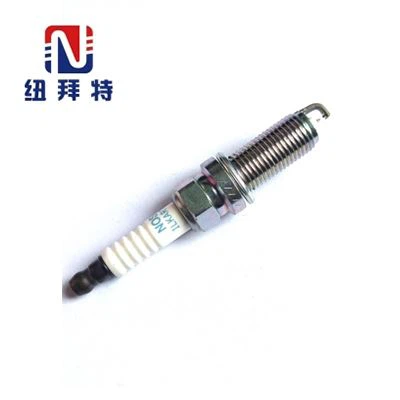
The material and design of the ignition plug can significantly affect its performance. For example, Spark Plug Single Iridium is a popular choice due to its high melting point and excellent conductivity. Iridium plugs can provide a more consistent spark, which leads to better combustion and improved engine performance.
Automotive Iridium Spark Plug is another option that offers enhanced durability and performance. These plugs are designed to withstand high temperatures and pressures, making them suitable for high - performance engines.
Compatibility
It's also important to ensure that the ignition plug is compatible with your vehicle's engine. Factors such as the engine's compression ratio, fuel type, and ignition system design can all affect the choice of plug. Using a plug that is not compatible with your engine can result in poor performance and potential damage.
How Ignition Plugs Affect Engine Performance
The quality and condition of the ignition plug can have a significant impact on engine performance. A worn or faulty plug can cause a variety of problems, including misfires, rough idling, and reduced power.

Misfires
A misfire occurs when the air - fuel mixture in one or more cylinders fails to ignite properly. This can be caused by a variety of factors, including a worn or fouled ignition plug. When a misfire occurs, the engine may run rough, and there may be a noticeable decrease in power and fuel economy.
Rough Idling
Rough idling is another common symptom of a faulty ignition plug. When the plugs are not functioning correctly, the engine may not run smoothly at idle, causing it to shake or vibrate. This can be a sign that the plugs need to be replaced.
Reduced Power
A worn or faulty ignition plug can also lead to reduced power and acceleration. When the spark is weak or inconsistent, the air - fuel mixture may not burn efficiently, resulting in a loss of power. This can make it more difficult to accelerate the vehicle and can also reduce its overall performance.
Maintaining Your Ignition Plugs
Proper maintenance of your ignition plugs is essential for ensuring optimal engine performance. Here are some tips to help you keep your plugs in good condition:
Regular Inspection
Regularly inspect your ignition plugs for signs of wear or damage. Look for signs of fouling, such as carbon deposits on the electrodes, and check for any signs of physical damage, such as cracks or chips.
Replacement
Follow the manufacturer's recommended replacement schedule for your ignition plugs. Over time, the electrodes on the plugs will wear down, and the spark will become weaker. Replacing the plugs at the recommended intervals will help to ensure consistent performance and prevent potential problems.
Cleaning
In some cases, fouled ignition plugs can be cleaned to restore their performance. However, this should only be done if the plugs are in good condition otherwise. Use a specialized spark plug cleaner or a wire brush to remove any carbon deposits from the electrodes.
Conclusion
In conclusion, the car ignition plug plays a vital role in the operation of a vehicle's engine. Its primary function is to generate a spark that ignites the air - fuel mixture, but it also performs several secondary functions, such as heat dissipation and sealing the combustion chamber.
As a car ignition plug supplier, I offer a wide range of high - quality ignition plugs, including Spark Plugs for Automotive, to meet the needs of different engines. Choosing the right plug and maintaining it properly is essential for optimal engine performance, fuel economy, and longevity.
If you're interested in learning more about our ignition plugs or would like to discuss your specific requirements, please feel free to reach out. We're here to help you find the perfect ignition plug solution for your vehicle.
References
- Bosch Automotive Handbook, 8th Edition
- Chilton's Automotive Repair Manuals
- Society of Automotive Engineers (SAE) Publications