

What is the correct length of spark plug wires for my car in auto parts?
Aug 28, 2025
Hey there, fellow car enthusiasts! I'm a supplier of spark plug auto parts, and I get asked a lot about the correct length of spark plug wires for cars. It's a crucial topic because getting the right wire length can significantly affect your vehicle's performance. So, let's dive into it.
Why Spark Plug Wire Length Matters
First off, you might be wondering why the length of spark plug wires even matters. Well, it's all about the electrical conductivity and the transfer of the spark from the ignition coil to the spark plug. If the wires are too long, there can be a voltage drop. This means that the spark reaching the plug might not be as strong as it should be, leading to misfires, reduced engine power, and even increased fuel consumption.
On the other hand, if the wires are too short, they can be under stress. This stress can cause the insulation to crack over time, exposing the conductive core. Once the core is exposed, it can lead to electrical shorts, which can damage other components in your car's ignition system.
How to Determine the Correct Length
Now, figuring out the correct length of spark plug wires isn't always a one - size - fits - all situation. There are a few ways to go about it.
Check the Manufacturer's Specifications
The easiest way is to refer to your car's owner's manual. The manufacturer usually provides the exact specifications for the spark plug wires, including the length. They've designed the ignition system with specific wire lengths in mind to ensure optimal performance. If you don't have the manual handy, you can often find the information on the manufacturer's website. Just search for your car's make, model, and year, and you should be able to find the technical specifications section.
Measure the Existing Wires
If you're replacing old spark plug wires, you can simply measure the ones that are already in your car. Use a flexible measuring tape to get an accurate measurement from the ignition coil connection to the spark plug connection. Make sure to measure each wire separately because in some cars, the lengths of the wires for different cylinders can vary.
Consider the Layout of Your Engine
The layout of your engine also plays a role in determining the wire length. For example, in a V - shaped engine, the wires for the cylinders on one side might need to be a different length than those on the other side. You need to make sure that the wires can reach the spark plugs without being stretched or bent too sharply.
Different Types of Spark Plugs and Their Compatibility with Wires
When it comes to spark plugs, there are several types available in the market. Each type has its own characteristics, and they can also influence the choice of spark plug wires.
Double Iridium Spark Plug for Car
Double Iridium Spark Plug for Car are known for their high performance and long lifespan. They have a very fine electrode, which allows for a more efficient spark. When using double iridium spark plugs, you need to make sure that the spark plug wires can deliver a strong and consistent spark. The wire length should be such that there's minimal voltage drop, so the spark can effectively ignite the air - fuel mixture in the combustion chamber.
Spark Plug for Automotive
Spark Plug for Automotive is a more general term that covers a wide range of spark plugs. Depending on the specific type of automotive spark plug you have, the requirements for the wire length can vary. Some standard spark plugs might be more forgiving when it comes to wire length, but for high - performance or specialized spark plugs, getting the right wire length is crucial.
Iridium Spark Plug for Car
Iridium Spark Plug for Car offer excellent performance and durability. They require a good quality spark plug wire to transfer the spark efficiently. The wire length should be carefully chosen to ensure that the iridium spark plug can function at its best.
Quality of Spark Plug Wires
It's not just about the length; the quality of the spark plug wires also matters. High - quality wires are made with better insulation materials, which can withstand high temperatures and electrical currents. They also have a more conductive core, which reduces the risk of voltage drop.
When choosing spark plug wires, look for ones that are resistant to heat, oil, and moisture. These factors can all affect the performance and lifespan of the wires. You can also consider wires with a lower resistance, as they can deliver a stronger spark.
Installation Tips
Once you've got the right length and quality of spark plug wires, it's time to install them. Here are a few tips to make sure the installation goes smoothly:
- Disconnect the Battery: Before you start working on the ignition system, disconnect the negative terminal of the battery. This will prevent any electrical shocks or damage to the components.
- Label the Wires: If you're replacing old wires, label each wire before you remove it. This will help you install the new wires in the correct order.
- Connect the Wires Properly: Make sure that the wires are firmly connected to the ignition coil and the spark plugs. A loose connection can cause misfires and other ignition problems.
Conclusion
In conclusion, getting the correct length of spark plug wires is essential for your car's performance. By referring to the manufacturer's specifications, measuring the existing wires, and considering the layout of your engine, you can ensure that you choose the right wires. And don't forget about the quality of the wires and proper installation.
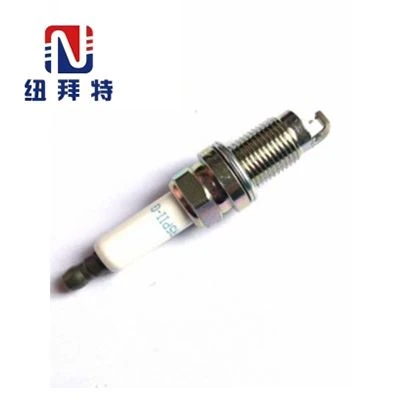
If you're in the market for high - quality spark plug auto parts, including spark plug wires, we've got you covered. We offer a wide range of products that are designed to meet the needs of different cars. Whether you're looking for Double Iridium Spark Plug for Car, Spark Plug for Automotive, or Iridium Spark Plug for Car, we can provide you with the right parts.

If you have any questions or want to discuss your specific requirements, feel free to reach out to us. We're here to help you keep your car running smoothly.
References
- Haynes, John. "Haynes Manuals: Automotive Repair and Maintenance." Various editions.
- Chilton, Robert. "Chilton's Auto Repair Manuals." Multiple volumes.