

What causes automotive spark plugs to fail?
May 12, 2025
Automotive spark plugs are crucial components in an internal combustion engine, responsible for igniting the air-fuel mixture to power the vehicle. However, like any other automotive part, spark plugs can fail over time. As an automotive spark plug supplier, I've witnessed firsthand the various factors that lead to spark plug failure. In this blog, I'll delve into the primary causes of automotive spark plug failure, offering insights to help you understand and potentially prevent these issues.
1. Normal Wear and Tear
One of the most common reasons for spark plug failure is normal wear and tear. Over time, the constant exposure to high temperatures, pressures, and electrical currents causes the electrodes of the spark plug to erode. The spark that jumps across the electrode gap wears down the metal, gradually increasing the gap size. As the gap widens, the spark has to travel a greater distance, requiring more voltage to jump. Eventually, the ignition system may not be able to provide enough voltage, resulting in a weak or inconsistent spark.
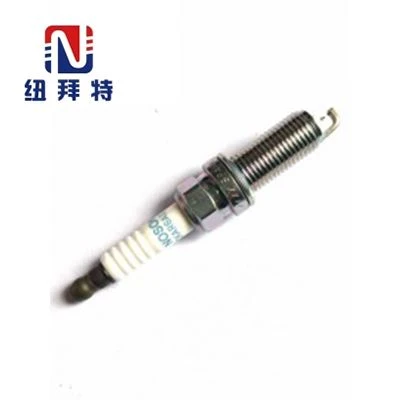
For example, in older vehicles with traditional copper spark plugs, the electrodes can wear out relatively quickly, typically within 20,000 - 30,000 miles. On the other hand, modern Iridium Spark Plug for Car offer better durability due to the hardness of iridium. Iridium is extremely resistant to corrosion and erosion, allowing these spark plugs to last up to 100,000 miles or more.
2. Fouling
Spark plug fouling occurs when the electrodes become coated with deposits, which can interfere with the spark's ability to jump across the gap. There are several types of fouling, each with its own causes:
Carbon Fouling
Carbon fouling is one of the most common types of fouling. It is typically caused by a rich air-fuel mixture, where there is too much fuel and not enough air in the combustion chamber. This can be due to a variety of issues, such as a malfunctioning fuel injector, a clogged air filter, or a faulty oxygen sensor. When the air-fuel mixture is too rich, not all of the fuel is burned during combustion, and the unburned fuel leaves behind carbon deposits on the spark plug electrodes.
Oil Fouling
Oil fouling occurs when oil enters the combustion chamber and coats the spark plug electrodes. This can be caused by worn piston rings, valve seals, or a blown head gasket. When oil reaches the combustion chamber, it burns along with the air-fuel mixture, leaving behind oil deposits on the spark plug. Oil fouling can also cause the spark plug to misfire, as the oil can insulate the electrodes and prevent the spark from jumping.
Ash Fouling
Ash fouling is caused by the accumulation of ash deposits on the spark plug electrodes. These deposits can come from additives in the fuel or oil, as well as from the combustion of engine components. Ash fouling is more common in older vehicles or vehicles that use low-quality fuel or oil.
3. Overheating
Overheating is another significant cause of spark plug failure. When a spark plug overheats, the ceramic insulator can crack, and the electrodes can melt or warp. Overheating can be caused by several factors, including:
Incorrect Heat Range
Spark plugs are designed with different heat ranges to suit different engine applications. The heat range refers to the ability of the spark plug to transfer heat from the tip to the cylinder head. If a spark plug with too hot of a heat range is installed in an engine, it may not be able to transfer heat quickly enough, causing the plug to overheat. Conversely, if a spark plug with too cold of a heat range is installed, it may not reach the optimal operating temperature, leading to fouling.
Lean Air-Fuel Mixture
A lean air-fuel mixture, where there is too much air and not enough fuel in the combustion chamber, can also cause the spark plug to overheat. When the air-fuel mixture is lean, the combustion process is more intense, generating higher temperatures. This can cause the spark plug to overheat and potentially fail.
Cooling System Issues
Problems with the engine's cooling system, such as a malfunctioning radiator, water pump, or thermostat, can also lead to overheating. If the engine is not properly cooled, the temperature in the combustion chamber can rise, causing the spark plug to overheat.

4. Electrical Problems
Electrical problems can also cause spark plug failure. The ignition system is responsible for providing the high voltage needed to create a spark at the spark plug electrodes. If there are issues with the ignition system, such as a faulty ignition coil, distributor, or spark plug wire, the spark plug may not receive enough voltage to create a strong spark.
For example, a worn or damaged spark plug wire can cause a loss of voltage, resulting in a weak or inconsistent spark. Similarly, a faulty ignition coil may not be able to generate enough voltage to jump the electrode gap, causing the spark plug to misfire.
5. Improper Installation
Improper installation of spark plugs can also lead to failure. If the spark plug is not tightened to the correct torque specification, it can cause a poor connection between the plug and the cylinder head. This can result in a loss of heat transfer and electrical conductivity, leading to overheating and misfiring.
Additionally, if the spark plug gap is not set correctly, it can affect the spark's ability to jump across the electrodes. A gap that is too wide may require more voltage to create a spark, while a gap that is too narrow may result in a weak spark.
Preventing Spark Plug Failure
As an automotive spark plug supplier, I recommend the following steps to prevent spark plug failure:
- Regular Maintenance: Follow the manufacturer's recommended maintenance schedule for your vehicle, including regular spark plug replacement. This will help ensure that your spark plugs are in good condition and functioning properly.
- Use High-Quality Spark Plugs: Invest in high-quality spark plugs, such as Auto Ignition Plug Single Iridium or Automotive Spark Plugs, that are designed for your vehicle's engine. High-quality spark plugs are more durable and less likely to fail.
- Check the Air-Fuel Mixture: Ensure that your vehicle's air-fuel mixture is properly adjusted. A proper air-fuel mixture will help prevent fouling and overheating.
- Maintain the Cooling System: Regularly check and maintain your vehicle's cooling system to prevent overheating. This includes checking the coolant level, inspecting the radiator and hoses, and replacing the thermostat if necessary.
- Proper Installation: When installing spark plugs, make sure to follow the manufacturer's instructions carefully. Tighten the spark plugs to the correct torque specification and set the electrode gap correctly.
Conclusion
Automotive spark plug failure can be caused by a variety of factors, including normal wear and tear, fouling, overheating, electrical problems, and improper installation. By understanding these causes and taking the necessary steps to prevent them, you can extend the life of your spark plugs and ensure that your vehicle's engine runs smoothly.

As an automotive spark plug supplier, we are committed to providing high-quality spark plugs that meet the needs of our customers. If you have any questions about spark plug selection, installation, or maintenance, or if you are interested in purchasing our Auto Ignition Plug Single Iridium, Automotive Spark Plugs, or Iridium Spark Plug for Car, please don't hesitate to contact us for procurement discussions. We look forward to working with you to keep your vehicles running at their best.
References
- Bosch, "Spark Plug Technology," Bosch Automotive Aftermarket.
- NGK Spark Plugs, "Spark Plug Troubleshooting Guide," NGK Spark Plugs USA.
- Champion Spark Plugs, "Understanding Spark Plug Heat Ranges," Champion Spark Plugs.