

How often should I replace spark plugs for my car?
Aug 11, 2025
How often should I replace spark plugs for my car? This is a question that many car owners often ask. As a professional supplier of car spark plugs, I'm here to provide you with in - depth insights on this topic.
The Role of Spark Plugs in a Car
Before discussing the replacement frequency, it's essential to understand the role of spark plugs. Spark plugs are crucial components in a car's ignition system. Their primary function is to create a spark that ignites the air - fuel mixture in the engine's combustion chamber. A proper spark is necessary for the engine to run smoothly, efficiently, and with power. If the spark plugs are not working correctly, it can lead to various problems such as misfires, reduced fuel efficiency, poor acceleration, and even engine damage over time.
Factors Affecting Spark Plug Replacement Frequency
There are several factors that influence how often you should replace your car's spark plugs.
Type of Spark Plug
Different types of spark plugs have different lifespans.
- Copper Spark Plugs: These are the most basic and affordable type of spark plugs. They have a relatively short lifespan, usually around 20,000 - 30,000 miles. Copper has good thermal conductivity, but it wears out quickly due to the high - temperature and high - voltage environment in the combustion chamber.
- Platinum Spark Plugs: Platinum is a more durable metal than copper. Platinum spark plugs can last between 60,000 - 100,000 miles. The platinum tip resists wear better, allowing for a longer service life.
- Iridium Spark Plugs: Iridium is an extremely hard and corrosion - resistant metal. Iridium spark plugs, such as the Spark Plug Double Iridium, can last up to 100,000 miles or more. They offer excellent performance and durability, making them a popular choice for modern engines.
Driving Conditions
Your driving habits and the conditions in which you drive also play a significant role.
- City Driving: Frequent stop - and - go traffic in the city can put more stress on the spark plugs. The constant starting and stopping require the spark plugs to work more frequently, which can lead to faster wear. In this case, you may need to replace the spark plugs earlier than the recommended mileage.
- Highway Driving: Long - distance highway driving is generally less stressful on the spark plugs. The engine operates at a more consistent speed, and the spark plugs don't have to work as hard. So, the spark plugs may last closer to their maximum recommended lifespan.
Engine Type
The design and specifications of your car's engine can affect spark plug replacement intervals.
- High - Performance Engines: High - performance engines typically have higher compression ratios and operate at higher temperatures. These conditions can cause the spark plugs to wear out more quickly. For example, sports cars or turbocharged engines may require more frequent spark plug replacements.
- Regular Engines: Standard, non - high - performance engines usually have more forgiving operating conditions, and the spark plugs can last longer.
Recommended Replacement Intervals
Based on the above factors, here are some general guidelines for spark plug replacement:

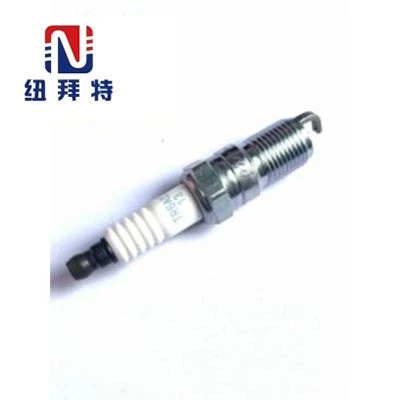
- Copper Spark Plugs: Replace them every 20,000 - 30,000 miles.
- Platinum Spark Plugs: Replace them every 60,000 - 100,000 miles.
- Iridium Spark Plugs: Replace them every 100,000 miles or as recommended by your vehicle's manufacturer.
It's important to note that these are just general guidelines. You should always refer to your car's owner's manual for the specific replacement interval recommended by the manufacturer. The manufacturer has tested the engine with specific spark plugs and can provide the most accurate information.
Signs That Your Spark Plugs Need Replacement
Even if you haven't reached the recommended mileage, there are some signs that indicate your spark plugs may need to be replaced:
- Misfires: If you notice your engine misfiring, which can feel like a hesitation or a jerking motion while driving, it could be due to worn - out spark plugs. A misfire occurs when the spark plug fails to ignite the air - fuel mixture at the right time.
- Poor Fuel Efficiency: Worn spark plugs can cause the engine to burn fuel less efficiently. If you find that you're getting fewer miles per gallon than usual, it may be time to check your spark plugs.
- Difficulty Starting the Engine: If your car has trouble starting, especially in cold weather, the spark plugs could be the culprit. Weak or inconsistent sparks can make it difficult for the engine to start.
- Rough Idling: A rough or unstable idle is another sign of faulty spark plugs. The engine may shake or vibrate more than normal when it's at a standstill.
Importance of Using Quality Spark Plugs
Using high - quality spark plugs is crucial for the performance and longevity of your car's engine. As a supplier of Spark Plug Auto Part, we understand the importance of quality. Quality spark plugs are designed to provide a consistent and strong spark, which ensures efficient combustion. They are also more resistant to wear and corrosion, reducing the need for frequent replacements.
Conclusion
In conclusion, the frequency of spark plug replacement depends on several factors, including the type of spark plug, driving conditions, and engine type. By understanding these factors and following the manufacturer's recommendations, you can ensure that your car's engine runs smoothly and efficiently.
If you're in the market for high - quality spark plugs, we are here to help. Our range of spark plugs, including the Ignition Plug Auto, is designed to meet the needs of different engines and driving conditions. We take pride in providing reliable and durable spark plugs that will keep your car running at its best.
If you have any questions about spark plug replacement or are interested in purchasing our products, feel free to contact us for procurement discussions. We look forward to serving you and helping you keep your car in top condition.
References
- "Automotive Engine Performance" by James D. Halderman and Mitchell Automotive Institute
- Various car manufacturer's owner's manuals.