

How does engine temperature affect spark plug ignition?
Jul 11, 2025
As a trusted supplier of spark plug ignition systems, I've witnessed firsthand the intricate relationship between engine temperature and spark plug ignition. This relationship is not only fascinating from a technical standpoint but also crucial for ensuring optimal engine performance. In this blog, I'll delve into how engine temperature affects spark plug ignition, offering insights that are both scientifically sound and practical for anyone involved in the automotive industry.
The Basics of Spark Plug Ignition
Before we explore the impact of engine temperature, let's briefly review how spark plug ignition works. A spark plug is a vital component in an internal combustion engine. Its primary function is to create an electrical spark that ignites the air - fuel mixture in the combustion chamber. When the engine's pistons compress the air - fuel mixture, the spark plug fires at the right moment, initiating the combustion process that generates the power to move the vehicle.
The ignition process relies on several factors, including the spark plug's design, the quality of the electrical current, and the characteristics of the air - fuel mixture. However, engine temperature plays a significant role in all these aspects.
Effects of Low Engine Temperature on Spark Plug Ignition
Difficulty in Igniting the Air - Fuel Mixture
At low engine temperatures, the air - fuel mixture is denser and less volatile. This makes it more challenging for the spark plug to create a spark strong enough to ignite the mixture. The cold air - fuel mixture has a higher resistance to combustion, similar to how it's harder to light a damp piece of paper compared to a dry one. As a result, the spark plug may struggle to initiate the combustion process, leading to misfires.
Misfires can cause a variety of problems, such as rough idling, reduced power output, and increased fuel consumption. In severe cases, it can even damage the catalytic converter over time. For example, if the engine is started in cold weather and the spark plugs can't effectively ignite the mixture, unburned fuel may enter the exhaust system and overheat the catalytic converter.
Increased Spark Plug Fouling
Low engine temperatures also contribute to spark plug fouling. When the engine is cold, the fuel doesn't burn as cleanly. Some of the fuel may condense on the spark plug electrodes, forming a layer of carbon and other deposits. These deposits can insulate the electrodes, reducing the effectiveness of the spark. As the spark plug becomes fouled, it may require more energy to create a spark, and eventually, it may fail to ignite the air - fuel mixture altogether.
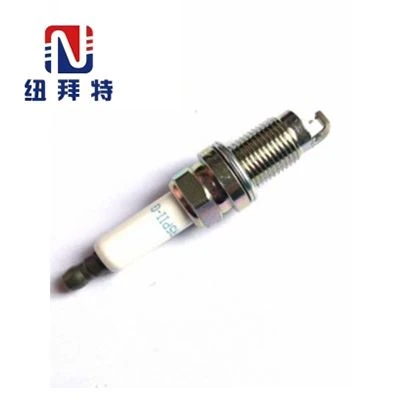

This is where our high - quality spark plugs, such as the Double Iridium Spark Plug for Auto, come in handy. Iridium is a highly durable and corrosion - resistant material. Its fine - wire electrodes can maintain a strong spark even in challenging conditions, reducing the likelihood of fouling and ensuring reliable ignition at low temperatures.
Effects of High Engine Temperature on Spark Plug Ignition
Pre - Ignition and Detonation
High engine temperatures can lead to pre - ignition and detonation, two serious issues that can damage the engine and affect spark plug performance. Pre - ignition occurs when the air - fuel mixture ignites before the spark plug fires. This can be caused by hot spots in the combustion chamber, such as overheated spark plug electrodes or carbon deposits.
Detonation, on the other hand, is a more violent form of combustion. It happens when the unburned portion of the air - fuel mixture explodes rather than burns smoothly after the initial ignition. Both pre - ignition and detonation can cause excessive pressure and heat in the combustion chamber, which can damage the pistons, valves, and spark plugs.
The intense heat generated by pre - ignition and detonation can also cause the spark plug electrodes to erode rapidly. The high temperatures can melt or vaporize the electrode material, reducing the spark plug's lifespan and performance. Our Double Iridium Spark Plug for Car is designed to withstand high temperatures. Iridium has a high melting point, which helps prevent electrode erosion and ensures consistent ignition even under extreme heat.
Increased Electrical Resistance
As the engine temperature rises, the electrical resistance within the spark plug can increase. This is due to the expansion of the materials in the spark plug and the changes in the electrical properties of the insulation. The increased resistance can reduce the strength of the spark, making it less effective at igniting the air - fuel mixture.
To combat this issue, our spark plugs are engineered with advanced materials and designs that minimize the impact of temperature on electrical resistance. For example, the Ignition Plug Single Iridium uses high - quality insulation materials that maintain their electrical properties over a wide range of temperatures, ensuring a strong and consistent spark.
Maintaining the Optimal Engine Temperature for Spark Plug Ignition
To ensure proper spark plug ignition, it's essential to maintain the engine at its optimal operating temperature. Most engines operate best within a temperature range of 195°F to 220°F (90°C to 105°C). The engine's cooling system plays a crucial role in regulating the temperature.
A well - functioning radiator, thermostat, and water pump work together to dissipate excess heat and keep the engine within the optimal range. Regular maintenance of the cooling system, such as checking the coolant level and replacing the coolant at recommended intervals, is necessary to prevent overheating or under - cooling.
In addition to the cooling system, proper engine tuning is also important. This includes adjusting the ignition timing, fuel injection, and air intake to ensure that the air - fuel mixture is ignited at the right time and under the right conditions.
Conclusion
Engine temperature has a profound impact on spark plug ignition. Whether it's the challenges of low - temperature starting or the risks associated with high - temperature operation, understanding this relationship is crucial for maintaining engine performance and reliability.
As a spark plug ignition supplier, we are committed to providing high - quality products that can withstand the effects of varying engine temperatures. Our Double Iridium and Single Iridium spark plugs are designed with advanced materials and engineering to ensure optimal ignition in all conditions.
If you're in the market for reliable spark plugs or have any questions about spark plug ignition and engine temperature, we invite you to contact us for a procurement discussion. Our team of experts is ready to assist you in finding the right solutions for your automotive needs.
References
- Heywood, J. B. (1988). Internal Combustion Engine Fundamentals. McGraw - Hill.
- Taylor, C. F. (1966). The Internal Combustion Engine in Theory and Practice. MIT Press.