

How do spark plugs impact engine starting?
Dec 11, 2025
Spark plugs play a crucial role in the engine starting process of vehicles. As a spark plugs recommending supplier, I have in - depth knowledge of how these small yet significant components can make a big difference in engine performance, especially during the starting phase.
The Basics of Engine Starting and Spark Plugs
To understand how spark plugs impact engine starting, we first need to grasp the fundamental process of engine ignition. In an internal combustion engine, the process begins when the driver turns the ignition key or presses the start button. This action sends an electrical signal to the starter motor, which then cranks the engine. As the engine cranks, air and fuel are drawn into the combustion chamber.
The spark plug is responsible for igniting the air - fuel mixture in the combustion chamber. When the piston compresses the air - fuel mixture to a certain point, the spark plug generates an electric spark. This spark ignites the mixture, creating a controlled explosion. The force from this explosion pushes the piston down, which in turn rotates the crankshaft, and the engine starts running.
Key Factors of Spark Plugs Affecting Engine Starting
Heat Range
The heat range of a spark plug is a vital factor. It refers to the ability of the spark plug to dissipate heat from the firing tip. If the heat range is too cold, the spark plug may not reach a high enough temperature to burn off carbon deposits. This can lead to fouling, where the spark plug becomes coated with carbon, oil, or fuel residues. A fouled spark plug may not be able to generate a strong enough spark to ignite the air - fuel mixture, causing starting difficulties.
On the other hand, if the heat range is too hot, the spark plug can cause pre - ignition. Pre - ignition occurs when the air - fuel mixture ignites before the spark plug fires. This can lead to engine knocking, reduced power, and even damage to the engine. Therefore, choosing a spark plug with the correct heat range for your engine is essential for smooth engine starting.
Electrode Material
The material of the spark plug electrodes also significantly affects engine starting. Common electrode materials include copper, platinum, and iridium. Copper electrodes are the most basic and have good thermal conductivity. However, they tend to wear out quickly due to the high - temperature environment in the combustion chamber. As the electrodes wear, the spark gap widens, which can make it more difficult for the spark plug to generate a strong spark, resulting in poor engine starting.
Platinum electrodes are more durable than copper. Platinum is a hard and corrosion - resistant metal, which means that platinum - tipped spark plugs can maintain a consistent spark gap for a longer time. This leads to more reliable ignition and better engine starting performance.
Iridium is an even better choice for electrode material. Automotive Double Iridium Spark Plug and Double Iridium Spark Plug for Auto are highly recommended products in the market. Iridium is extremely hard and has a high melting point. Spark plugs with iridium electrodes can generate a very fine and concentrated spark. This fine spark can more easily ignite the air - fuel mixture, especially in engines with high compression ratios or in cold weather conditions. The durability of iridium electrodes also ensures that the spark plug will perform well over a long period, providing consistent starting performance.
Spark Gap
The spark gap is the distance between the center and ground electrodes of the spark plug. A proper spark gap is crucial for engine starting. If the spark gap is too small, the spark may not be strong enough to fully ignite the air - fuel mixture. The combustion process will be incomplete, leading to rough starting, misfires, and reduced engine power.
Conversely, if the spark gap is too large, the ignition system may not be able to generate enough voltage to jump the gap and create a spark. This will result in a no - start condition. It's important to ensure that the spark gap is set to the manufacturer's specified value for your engine.
Impact of Spark Plugs in Different Conditions
Cold Weather Starting
Cold weather poses a significant challenge to engine starting. In cold temperatures, the air is denser, and the fuel may not vaporize as easily. This makes it more difficult to create a combustible air - fuel mixture. Additionally, the battery's performance is reduced in cold weather, which means there is less electrical power available for the ignition system.
High - quality spark plugs, such as Spark Plug Single Iridium, can help overcome these challenges. The fine and powerful spark generated by iridium - tipped spark plugs can more effectively ignite the cold and less - vaporized air - fuel mixture. They also require less voltage to generate a spark, which is beneficial when the battery's output is reduced.
High - Performance Engine Starting
High - performance engines typically have higher compression ratios and more complex ignition systems. These engines demand a more precise and powerful spark to start smoothly. Spark plugs with advanced electrode materials and optimized heat ranges are essential for these engines.
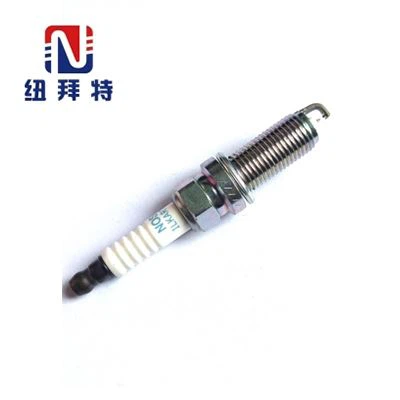

For example, double iridium spark plugs are well - suited for high - performance engines. Their ability to generate a strong and consistent spark can ensure reliable starting, even under high - stress conditions. They also contribute to better overall engine performance, including increased power output and improved fuel efficiency.
Importance of Regular Spark Plug Maintenance
Regular maintenance of spark plugs is crucial for ensuring optimal engine starting. Over time, spark plugs can become worn, fouled, or damaged. Signs of worn spark plugs include slow or difficult starting, rough idling, reduced fuel economy, and engine misfires.
Replacing spark plugs at the recommended intervals can prevent these issues. It's also important to inspect the spark plugs during maintenance. Check for signs of fouling, such as black or oily deposits on the electrodes. If fouling is detected, it may indicate problems with the engine's fuel injection system, oil consumption, or ignition timing.
Conclusion
Spark plugs are a critical component in the engine starting process. The heat range, electrode material, and spark gap all play important roles in determining how well the spark plug can ignite the air - fuel mixture and start the engine. Whether it's in cold weather, high - performance engines, or regular daily use, choosing the right spark plugs and maintaining them properly can significantly improve engine starting reliability.
As a professional spark plugs recommending supplier, we are committed to providing high - quality spark plugs that meet the diverse needs of our customers. If you are interested in improving your engine's starting performance or looking for the right spark plugs for your vehicle, please feel free to contact us for in - depth purchase negotiations. We are here to assist you in finding the best spark plug solutions for your engines.
References
- Heywood, J. B. (1988). Internal Combustion Engine Fundamentals. McGraw - Hill.
- Taylor, C. F. (1985). The Internal Combustion Engine in Theory and Practice. MIT Press.