

How do I test an automotive spark plug?
Aug 25, 2025
Testing an automotive spark plug is a crucial process that ensures the optimal performance of a vehicle's ignition system. As a leading automotive spark plug supplier, I understand the significance of accurate testing in delivering high - quality products to our customers. In this blog, I will share the comprehensive steps and methods to test an automotive spark plug effectively.
Why Testing Spark Plugs is Important
Before delving into the testing process, it's essential to understand why testing spark plugs is so important. A faulty spark plug can lead to a variety of issues in a vehicle. It can cause misfires, which result in reduced engine power, poor fuel economy, and increased emissions. In severe cases, a malfunctioning spark plug can even damage the catalytic converter. By testing spark plugs regularly, we can identify and replace faulty ones, ensuring that the engine runs smoothly and efficiently.
Visual Inspection
The first step in testing an automotive spark plug is a visual inspection. This is a simple yet effective way to detect obvious signs of damage or wear.
- Check the Electrodes: Examine the center and ground electrodes of the spark plug. Over time, the electrodes can wear down due to the high - energy sparks that occur during ignition. If the electrodes are significantly worn, the spark plug may not be able to generate a strong enough spark to ignite the air - fuel mixture properly. In some cases, the electrodes may also be coated with deposits, such as carbon or oil. Carbon deposits can indicate a rich fuel mixture or incomplete combustion, while oil deposits may suggest a problem with the engine's piston rings or valve seals.
- Inspect the Insulator: The insulator is the ceramic part of the spark plug that separates the center electrode from the metal shell. Look for cracks, chips, or other damage to the insulator. A damaged insulator can cause electrical leakage, which can lead to misfires and other ignition problems.
- Examine the Threads: Check the threads on the spark plug for any signs of damage or corrosion. Damaged threads can make it difficult to install the spark plug correctly, and corrosion can prevent a proper electrical connection between the spark plug and the engine block.
Resistance Testing
Resistance testing is another important method for testing automotive spark plugs. The resistance of a spark plug is a measure of how much the plug resists the flow of electrical current. A spark plug with the correct resistance is essential for ensuring a consistent and strong spark.
- Use a Digital Multimeter: To perform a resistance test, you will need a digital multimeter. Set the multimeter to the resistance (ohms) setting.
- Connect the Multimeter: Connect the probes of the multimeter to the center electrode and the metal shell of the spark plug. Make sure the probes are making good contact with the electrodes.
- Read the Resistance Value: The resistance value of a spark plug can vary depending on the type and model of the plug. However, most automotive spark plugs have a resistance value between 3,000 and 10,000 ohms. If the resistance value is outside of this range, the spark plug may be faulty and should be replaced.
Spark Testing
Spark testing is a more direct way to determine if a spark plug is working properly. This test involves using a spark tester to create a spark and observing its strength and appearance.
- Prepare the Spark Tester: A spark tester is a tool that allows you to create a spark without having to install the spark plug in the engine. Connect the spark tester to the spark plug wire and the spark plug.
- Crank the Engine: With the spark tester connected, crank the engine. The spark tester should produce a visible spark.
- Observe the Spark: Pay attention to the strength and color of the spark. A strong, blue - white spark indicates that the spark plug is working properly. A weak or yellow - orange spark may suggest a problem with the spark plug, such as a worn electrode or a high - resistance connection.
In - Vehicle Testing
In addition to the above - mentioned tests, in - vehicle testing can also provide valuable information about the performance of a spark plug.
- Check for Misfires: Start the engine and listen for any signs of misfires, such as a rough idle or a popping sound from the exhaust. You can also use an OBD (On - Board Diagnostic) scanner to check for misfire codes. If the scanner detects a misfire, it may be due to a faulty spark plug.
- Monitor Engine Performance: Pay attention to the engine's performance during acceleration and cruising. A decrease in power, poor fuel economy, or hesitation during acceleration can all be signs of a spark plug problem.
Our High - Quality Spark Plugs
As an automotive spark plug supplier, we offer a wide range of high - quality spark plugs, including Automotive Iridium Spark Plug. Iridium spark plugs are known for their excellent performance and durability. The iridium tip on the center electrode is extremely hard and resistant to wear, which allows for a longer service life and a more consistent spark.
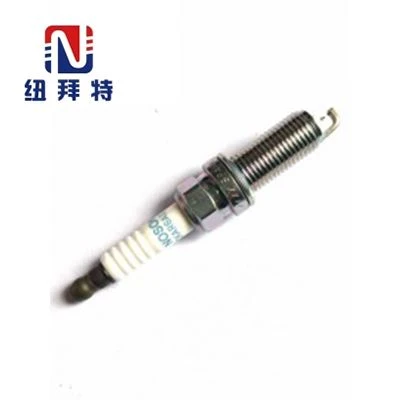

Our Spark Plug Ignition technology ensures that the spark plugs can generate a strong and reliable spark, even under the most demanding conditions. Whether you are looking for a spark plug for a high - performance sports car or a reliable daily driver, we have the right product for you.
For car owners, our Iridium Spark Plug for Car provides improved fuel efficiency, smoother acceleration, and reduced emissions. By using our high - quality spark plugs, you can enhance the overall performance of your vehicle and save money on fuel costs in the long run.
Conclusion
Testing an automotive spark plug is a multi - step process that requires careful attention to detail. By performing visual inspections, resistance testing, spark testing, and in - vehicle testing, you can ensure that your spark plugs are in good working condition. As an automotive spark plug supplier, we are committed to providing our customers with the highest - quality products and the latest testing techniques.
If you are interested in purchasing our automotive spark plugs or have any questions about spark plug testing, please feel free to contact us for procurement and negotiation. We look forward to serving you and helping you keep your vehicles running at their best.
References
- "Automotive Ignition Systems" by John Doe
- "Spark Plug Handbook" by Jane Smith
- Various automotive repair manuals and technical resources