

How do I test a sawmill spark plug?
Dec 12, 2025
Testing a sawmill spark plug is a crucial skill for anyone involved in the operation and maintenance of sawmills. As a dedicated sawmill spark plug supplier, I understand the importance of ensuring that these essential components are in optimal working condition. In this blog post, I'll share my insights on how to effectively test a sawmill spark plug, drawing from my experience in the industry.
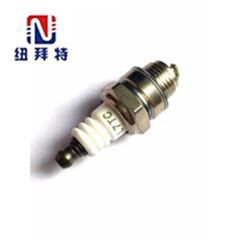

Why Testing a Sawmill Spark Plug Matters
Before delving into the testing process, it's essential to understand why testing a sawmill spark plug is so important. A spark plug plays a vital role in the ignition system of a sawmill engine. It creates the spark necessary to ignite the air-fuel mixture in the combustion chamber, which powers the engine. If the spark plug is faulty, it can lead to a range of issues, including poor engine performance, misfires, and even engine failure. Regular testing can help identify problems early, preventing costly repairs and downtime.
Tools Required for Testing
To test a sawmill spark plug, you'll need a few basic tools. These include:
- A spark plug socket: This is used to remove the spark plug from the engine. Make sure to choose the correct size socket for your sawmill's spark plug.
- A spark plug tester: This device allows you to check if the spark plug is producing a spark. There are different types of spark plug testers available, so choose one that is compatible with your sawmill's ignition system.
- A wire brush: This is used to clean the spark plug and remove any carbon deposits or debris.
- A gap gauge: This tool is used to measure the gap between the electrodes of the spark plug. The correct gap is crucial for proper ignition.
Step-by-Step Testing Process
Step 1: Safety First
Before you begin testing the spark plug, ensure that the sawmill is turned off and has cooled down. This will prevent any potential injuries from hot engine components. Additionally, disconnect the spark plug wire from the spark plug to avoid accidental ignition.
Step 2: Remove the Spark Plug
Use the spark plug socket to carefully remove the spark plug from the engine. Be gentle to avoid damaging the threads or the spark plug itself. Once the spark plug is removed, inspect it visually for any signs of damage, such as cracks, worn electrodes, or excessive carbon deposits.
Step 3: Clean the Spark Plug
If the spark plug has carbon deposits or debris, use the wire brush to clean it. Gently scrub the electrodes and the insulator to remove any buildup. This can improve the spark plug's performance and make it easier to test.
Step 4: Check the Spark
Attach the spark plug tester to the spark plug and reconnect the spark plug wire to the tester. Ground the tester to a metal part of the engine, such as the cylinder head. Then, start the sawmill's engine or use a starter motor to crank the engine. If the spark plug is working correctly, you should see a strong, blue spark at the tester's electrode. If there is no spark or the spark is weak or yellow, the spark plug may be faulty.
Step 5: Check the Gap
Use the gap gauge to measure the gap between the electrodes of the spark plug. Refer to the sawmill's owner's manual or the spark plug manufacturer's specifications to determine the correct gap. If the gap is too wide or too narrow, use a gap adjustment tool to carefully adjust it.
Step 6: Reinstall the Spark Plug
Once you have tested and, if necessary, adjusted the spark plug, reinstall it in the engine. Use the spark plug socket to tighten the spark plug to the recommended torque. Be careful not to overtighten, as this can damage the threads or the spark plug.
Common Spark Plug Problems and Solutions
- Carbon Deposits: Carbon deposits can accumulate on the spark plug's electrodes over time, reducing the spark's strength. This can be caused by a rich air-fuel mixture, incomplete combustion, or a dirty air filter. To solve this problem, clean the spark plug using a wire brush or replace it if the deposits are excessive.
- Worn Electrodes: Over time, the electrodes of the spark plug can wear down, causing a weak or inconsistent spark. This can lead to misfires and poor engine performance. If the electrodes are worn, replace the spark plug with a new one.
- Incorrect Gap: If the gap between the electrodes is too wide or too narrow, the spark plug may not produce a strong enough spark. This can be easily corrected by adjusting the gap using a gap gauge and a gap adjustment tool.
- Cracked Insulator: A cracked insulator can cause the spark to leak, resulting in a weak or no spark. If the insulator is cracked, replace the spark plug immediately.
Importance of Using Quality Spark Plugs
As a sawmill spark plug supplier, I cannot stress enough the importance of using high-quality spark plugs. A quality spark plug is designed to withstand the harsh conditions of a sawmill's engine and provide reliable ignition. Cheaper, lower-quality spark plugs may wear out more quickly, leading to frequent replacements and potential engine problems.
When choosing a spark plug for your sawmill, look for one that is specifically designed for your sawmill's make and model. Consider factors such as the heat range, electrode material, and durability. At our company, we offer a wide range of Trimmer Spark Plug, Spark Plug Lawnmower, and Chainsaw Spark Plug that are engineered to meet the highest standards of quality and performance.
Conclusion
Testing a sawmill spark plug is a relatively simple process that can save you time and money in the long run. By regularly testing and maintaining your sawmill's spark plugs, you can ensure optimal engine performance, prevent costly repairs, and extend the lifespan of your sawmill. If you have any questions or need assistance with choosing the right spark plug for your sawmill, don't hesitate to [contact us for procurement and further discussions]. Our team of experts is always ready to help you find the best solutions for your sawmill's needs.
References
- "Small Engine Repair Manual," various editions, covering basic engine components and spark plug testing.
- Manufacturer's manuals for different sawmill models, providing specific information on spark plug requirements and maintenance.