

How do I know if my car needs a new ignition plug?
Jan 13, 2026
Knowing when your car needs a new ignition plug is crucial for maintaining your vehicle's performance, fuel efficiency, and overall health. As a supplier of high - quality ignition plugs for cars, I'm here to share some insights on how to determine if it's time for a replacement.
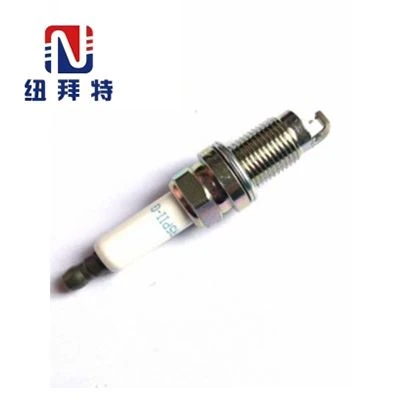

1. Understanding the Role of Ignition Plugs
Ignition plugs are a vital component of your car's engine. They are responsible for creating the spark that ignites the air - fuel mixture in the combustion chamber. This combustion is what powers your vehicle and gets it moving. A well - functioning ignition plug ensures a smooth and efficient combustion process, but over time, wear and tear can take a toll on its performance.
2. Signs that Your Ignition Plugs Need Replacement
2.1 Poor Engine Performance
One of the most common signs of faulty ignition plugs is a decrease in engine performance. If your car struggles to start, stalls frequently, or has a rough idle, it could be due to worn - out ignition plugs. The spark may not be strong enough to ignite the air - fuel mixture properly, leading to misfires. Misfires can cause a significant drop in power and acceleration, making your car feel sluggish on the road.
2.2 Reduced Fuel Efficiency
When ignition plugs are not working correctly, the combustion process becomes less efficient. This means that your engine has to work harder to produce the same amount of power, resulting in increased fuel consumption. If you notice that you're filling up your gas tank more often than usual, it might be time to check your ignition plugs. Our Double Iridium Spark Plug for Car can significantly improve fuel efficiency due to its high - performance design and ability to create a strong spark.
2.3 Increased Emissions
Faulty ignition plugs can also lead to higher emissions. A misfire in the engine can cause unburned fuel to enter the exhaust system, increasing the levels of harmful pollutants such as carbon monoxide and hydrocarbons. If your car fails an emissions test, it could be because of worn ignition plugs. Upgrading to new, high - quality spark plugs like our Spark Plugs Car can help reduce emissions and make your car more environmentally friendly.
2.4 Engine Knocking
Engine knocking is a sharp, pinging sound that you may hear coming from your engine, especially under heavy acceleration. This can be a sign of pre - ignition, which occurs when the air - fuel mixture in the combustion chamber ignites before the spark plug fires. Worn ignition plugs can cause the timing of the spark to be off, leading to pre - ignition and engine knocking. Ignoring this problem can cause serious damage to your engine over time.
3. Checking the Condition of Your Ignition Plugs
3.1 Visual Inspection
You can perform a basic visual inspection of your ignition plugs to check for signs of wear. First, make sure your engine is cool before attempting to remove the spark plugs. Locate the spark plug wires or coils and carefully remove them. Then, use a spark plug socket to remove the plugs from the engine.
Examine the plugs for signs of damage, such as cracks, chips, or excessive wear on the electrodes. If the electrodes are worn down, the spark gap may be too large, which can affect the performance of the plug. Additionally, look for any signs of fouling, such as carbon buildup or oil deposits. Carbon fouling can indicate a rich air - fuel mixture, while oil deposits may suggest a problem with the engine's piston rings or valve seals.
3.2 Measuring the Spark Gap
The spark gap is the distance between the center electrode and the ground electrode of the ignition plug. A proper spark gap is essential for the plug to function correctly. You can use a feeler gauge to measure the spark gap. Refer to your car's owner's manual for the recommended spark gap specification. If the gap is too large or too small, you may need to replace the spark plug.
4. Factors Affecting Ignition Plug Lifespan
The lifespan of an ignition plug can vary depending on several factors:
- Driving Conditions: Frequent stop - and - go driving, long - distance highway driving, and driving in extreme temperatures can all affect the wear rate of your ignition plugs. Stop - and - go driving can cause more stress on the plugs due to the constant starting and stopping, while high - speed highway driving at high temperatures can also accelerate wear.
- Fuel Quality: Poor - quality fuel can contain contaminants that can cause fouling and damage to the ignition plugs. Using high - quality fuel can help extend the life of your plugs.
- Engine Modifications: If you have made any modifications to your engine, such as adding a turbocharger or increasing the engine's compression ratio, you may need to use different types of ignition plugs that are designed to handle the increased performance requirements. Our Automatic Car Spark Plug is suitable for a wide range of engines, including those with modifications.
5. When to Replace Ignition Plugs Based on Manufacturer Recommendations
Most car manufacturers provide recommendations on when to replace the ignition plugs in your vehicle. These recommendations are typically based on the number of miles driven or the age of the plugs. For example, some manufacturers may recommend replacing the plugs every 30,000 to 100,000 miles, depending on the type of plugs and the engine design.
It's important to follow these recommendations to ensure optimal engine performance and prevent potential problems. However, even if you haven't reached the recommended mileage or age, if you notice any of the signs mentioned above, it's a good idea to have your ignition plugs checked and replaced if necessary.
6. Choosing the Right Ignition Plugs for Your Car
There are several types of ignition plugs available on the market, including copper, platinum, and iridium plugs. Each type has its own advantages and disadvantages:
- Copper Plugs: Copper plugs are the most basic and affordable option. They have a relatively short lifespan but are suitable for older vehicles or those with lower performance requirements.
- Platinum Plugs: Platinum plugs offer better performance and a longer lifespan than copper plugs. They are more resistant to wear and can provide a more consistent spark.
- Iridium Plugs: Iridium plugs are the most advanced and offer the best performance and durability. They have a very fine electrode, which allows for a more precise spark and better fuel efficiency. Our Double Iridium Spark Plug for Car is a top - of - the - line option that can significantly enhance your car's performance.
7. Contact Us for Your Ignition Plug Needs
As a trusted supplier of ignition plugs for cars, we are committed to providing high - quality products and excellent customer service. Whether you're a car owner looking to replace the ignition plugs in your vehicle or a business in need of bulk orders, we have the right solutions for you.
If you have any questions about our products, need help choosing the right ignition plugs for your car, or are interested in placing an order, please feel free to contact us. We look forward to discussing your requirements and helping you find the best ignition plugs for your needs.
References
- "Automotive Engine Performance", 5th Edition, by James D. Halderman.
- Various car manufacturer's owner's manuals.