

How do I know if my automotive spark plugs are too hot or too cold?
Nov 20, 2025
Hey there, fellow car enthusiasts! I'm an automotive spark plug supplier, and I get this question a lot: "How do I know if my automotive spark plugs are too hot or too cold?" Well, let's dive right in and figure this out together.
First off, why does it even matter if a spark plug is too hot or too cold? Spark plugs play a crucial role in your engine. They create the spark that ignites the air - fuel mixture in the combustion chamber. If the spark plug's temperature is off, it can lead to all sorts of problems, like poor engine performance, reduced fuel efficiency, and even engine damage over time.
Signs of a Too - Hot Spark Plug
Let's start by talking about the signs that your spark plug might be running too hot. One of the most obvious signs is pre - ignition. Pre - ignition happens when the air - fuel mixture in the combustion chamber ignites before the spark plug fires. This can cause a knocking or pinging sound in your engine. You might notice a loss of power as well, because the engine isn't firing in the proper sequence.
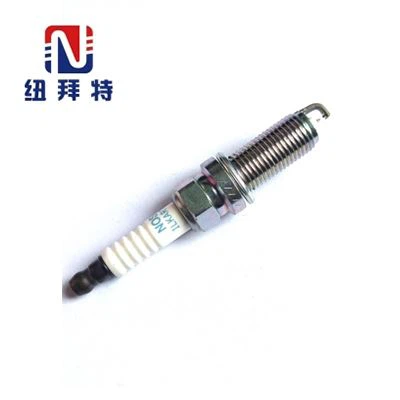
Another tell - tale sign is burned electrodes. When a spark plug runs too hot, the electrodes can get burned. If you take out the spark plug and have a look at it, you'll see that the electrodes are worn down and might even have a melted appearance. This is a clear indication that the plug is getting too much heat.
Carbon deposits can also be a sign of a hot - running spark plug. But these are different from the normal carbon deposits. The carbon deposits on a hot spark plug are usually hard and glazed. They form because the fuel is burning too quickly and not completely, leaving behind these hard deposits on the plug.
If you're experiencing any of these issues, it might be time to consider a colder spark plug. We offer a great selection of Spark Plug Single Iridium that are designed to handle different heat ranges and can be a great solution for a hot - running engine.
Signs of a Too - Cold Spark Plug
On the flip side, a spark plug that's too cold can also cause problems. One of the main signs is fouling. Fouling occurs when there are excessive carbon deposits on the spark plug. But unlike the hard, glazed deposits from a hot plug, the deposits on a cold plug are soft and black. This is because the fuel isn't burning hot enough, and it's leaving behind unburned fuel and carbon on the plug.
A cold spark plug can also lead to misfires. Since the plug isn't getting hot enough to ignite the air - fuel mixture consistently, the engine might misfire. You'll feel a jerking or hesitation when you're accelerating, and the engine might run rough.
If you notice that your engine is having trouble starting, especially in cold weather, it could be a sign of a cold spark plug. The plug might not be able to generate enough heat to ignite the fuel in the cold conditions.
If you're facing these issues, you might want to switch to a hotter spark plug. Our Car Ignition Plug options are available in different heat ranges to suit your engine's needs.
How to Determine the Right Heat Range
So, how do you figure out the right heat range for your spark plugs? Well, it depends on a few factors. The first factor is your engine's compression ratio. Engines with high compression ratios generate more heat, so they usually require colder spark plugs. On the other hand, engines with low compression ratios can use hotter spark plugs.
The type of driving you do also matters. If you do a lot of high - speed driving or towing heavy loads, your engine will generate more heat, and you'll need a colder plug. But if you mostly do city driving with a lot of stop - and - go traffic, a hotter plug might be more suitable.
Your engine's tuning is another important factor. If your engine is tuned for high performance, it will run hotter, and you'll need a colder spark plug. But if it's a stock engine, the factory - recommended heat range is usually a good starting point.
We have a team of experts who can help you determine the right heat range for your specific engine. And our Spark Plug Single Iridium are made with high - quality materials to ensure optimal performance in different heat conditions.
Maintenance and Inspection
Regular maintenance and inspection of your spark plugs are essential. You should check your spark plugs at least once a year or every 30,000 miles, depending on your vehicle's manufacturer recommendations. When you inspect the plugs, look for the signs we talked about earlier, like burned electrodes, fouling, or carbon deposits.
If you're not sure how to check the spark plugs, it's a good idea to take your car to a professional mechanic. They can do a thorough inspection and let you know if your spark plugs need to be replaced or if you need to change the heat range.
Conclusion
Figuring out if your automotive spark plugs are too hot or too cold is crucial for your engine's performance and longevity. By paying attention to the signs and factors we've discussed, you can make an informed decision about the right spark plugs for your vehicle.
As an automotive spark plug supplier, we're here to help you find the perfect spark plugs for your needs. Whether you need a colder plug for a high - performance engine or a hotter plug for a daily driver, we've got you covered. If you're interested in our products or have any questions, don't hesitate to reach out for a procurement discussion. We're eager to work with you and ensure your engine runs at its best.
References
- Automotive Engine Performance textbook
- Various automotive repair manuals