

How do I ensure proper electrical connection for my spark plugs?
May 27, 2025
As an experienced supplier of automobile spark plugs, I understand the critical role that proper electrical connection plays in the performance of spark plugs. In this blog, I will share some insights on how to ensure a proper electrical connection for your spark plugs, drawing from my industry knowledge and practical experience.

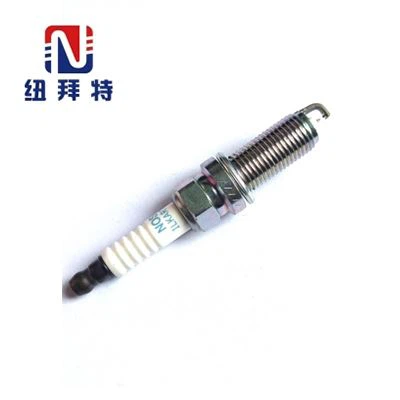
Understanding the Basics of Spark Plug Electrical Connection
Before delving into the steps to ensure proper electrical connection, it's essential to understand the basic components involved. A spark plug consists of a center electrode, a ground electrode, and an insulator. The electrical current flows from the ignition coil through the spark plug wire to the center electrode. When the voltage reaches a sufficient level, it jumps across the gap between the center and ground electrodes, creating a spark that ignites the air - fuel mixture in the engine cylinder.
A proper electrical connection is crucial for several reasons. Firstly, it ensures consistent and reliable ignition. If the electrical connection is poor, the spark may be weak or intermittent, leading to misfires, reduced engine power, and increased fuel consumption. Secondly, it helps in maintaining the longevity of the spark plug. A good connection reduces the risk of overheating and electrode wear, which can shorten the lifespan of the spark plug.
Selecting the Right Spark Plug
The first step in ensuring proper electrical connection is to select the right spark plug for your vehicle. Different engines have different requirements in terms of heat range, electrode material, and gap size. Using the wrong spark plug can lead to electrical problems.
For example, our [Ignition Plug for Car](/automobile - spark - plug/ignition - plug - for - car.html) is designed to meet the specific needs of various car models. It is engineered with high - quality materials to ensure efficient electrical conduction. The [Spark Plug Single Iridium](/automobile - spark - plug/spark - plug - single - iridium - factory.html) offers excellent durability and conductivity due to the use of iridium in the electrode, which helps in maintaining a stable electrical connection over a long period.
When choosing a spark plug, refer to your vehicle's owner's manual or consult with a professional mechanic. They can provide you with the correct specifications for your engine, such as the heat range, thread size, and gap distance.
Pre - Installation Inspection
Once you have selected the appropriate spark plug, it's important to conduct a pre - installation inspection. Check the spark plug for any visible damage, such as cracks in the insulator, bent electrodes, or signs of corrosion. A damaged spark plug can disrupt the electrical connection and cause performance issues.
Inspect the spark plug wire as well. Look for any cuts, frays, or signs of wear on the wire insulation. A damaged wire can lead to electrical leakage, which will weaken the spark. If you notice any damage to the wire, it should be replaced before installing the new spark plug.
Cleaning the Spark Plug and the Socket
Before installing the spark plug, clean both the spark plug and the spark plug socket. Use a wire brush to remove any dirt, debris, or carbon deposits from the spark plug electrodes and the threads. Carbon deposits can act as insulators and interfere with the electrical connection.
Clean the spark plug socket as well. Dirt or debris in the socket can prevent the spark plug from being properly seated, which can lead to a poor electrical connection. You can use a clean cloth or compressed air to clean the socket.
Checking and Adjusting the Spark Plug Gap
The spark plug gap is the distance between the center electrode and the ground electrode. It is a critical factor in ensuring proper electrical connection and ignition. If the gap is too wide, the spark may not be able to jump across, resulting in a misfire. If the gap is too narrow, the spark may be weak.
Most modern spark plugs come pre - gapped, but it's still a good idea to check the gap before installation. You can use a feeler gauge to measure the gap. If the gap needs adjustment, use a gap tool to carefully bend the ground electrode until the correct gap is achieved. Refer to your vehicle's specifications for the correct gap size.
Installing the Spark Plug
When installing the spark plug, it's important to follow the correct procedure. First, apply a small amount of anti - seize compound to the spark plug threads. This will prevent the spark plug from seizing in the cylinder head and make it easier to remove in the future. However, be careful not to get any anti - seize on the electrodes, as it can affect the electrical performance.
Insert the spark plug into the socket and carefully thread it into the cylinder head by hand. This helps to ensure that the spark plug is properly aligned and prevents cross - threading, which can damage the threads in the cylinder head and lead to a poor electrical connection. Once the spark plug is hand - tightened, use a torque wrench to tighten it to the manufacturer's recommended torque specification. Over - tightening can damage the spark plug or the cylinder head, while under - tightening can cause the spark plug to vibrate loose and disrupt the electrical connection.
Connecting the Spark Plug Wire
After installing the spark plug, connect the spark plug wire. Make sure the wire is firmly seated on the spark plug terminal. A loose connection can cause electrical arcing, which can lead to misfires and damage to the wire and the spark plug.
Inspect the wire connector for any signs of damage or corrosion. If necessary, clean the connector with a wire brush or sandpaper to ensure good electrical contact. You can also apply a small amount of dielectric grease to the inside of the connector to prevent moisture and corrosion.
Post - Installation Testing
Once all the spark plugs are installed and the wires are connected, it's time to test the electrical connection. Start the engine and listen for any abnormal noises, such as popping or sputtering, which could indicate a misfire. Check the engine's performance, including acceleration, idle speed, and fuel consumption.
If you notice any issues, use a diagnostic tool to check for error codes. A misfire code can help you identify which cylinder is having problems. You may need to re - check the spark plug installation, the wire connection, or the gap to ensure everything is in order.
Regular Maintenance
Proper electrical connection is not a one - time thing. Regular maintenance is essential to keep the spark plugs and the electrical system in good condition. Replace the spark plugs at the recommended intervals specified by your vehicle's manufacturer. Over time, the electrodes wear down, and the gap may change, affecting the electrical connection and ignition performance.
Inspect the spark plug wires periodically for signs of wear and tear. Replace them if necessary. Keep the engine clean to prevent dirt and debris from accumulating on the spark plugs and wires, which can interfere with the electrical connection.
Conclusion
Ensuring proper electrical connection for your spark plugs is crucial for the optimal performance of your vehicle's engine. By selecting the right spark plug, conducting pre - installation inspections, following the correct installation procedures, and performing regular maintenance, you can maintain a reliable electrical connection and enjoy a smooth - running engine.
If you are in the market for high - quality automobile spark plugs, our [Spark Plug Auto Part](/automobile - spark - plug/spark - plug - auto - part.html) offers a wide range of options to meet your needs. We are committed to providing top - notch products and excellent customer service. If you have any questions or are interested in placing an order, feel free to reach out to us for procurement and further discussions.
References
- Automotive Engine Performance. Delmar Cengage Learning.
- Haynes Repair Manuals for various vehicle models.