

Do spark plugs need to be pre - lubricated before installation in a car?
Jul 29, 2025
Do spark plugs need to be pre - lubricated before installation in a car?
As a long - time supplier of spark plugs for cars, I often encounter various questions from customers, and one of the most frequently asked is whether spark plugs need to be pre - lubricated before installation in a car. In this blog, I'll delve into this topic based on scientific knowledge and practical experience.
The Function of Spark Plugs
Before discussing pre - lubrication, it's essential to understand the role of spark plugs in a car. Spark plugs are crucial components of the ignition system. Their main function is to create a spark that ignites the air - fuel mixture in the combustion chamber of an internal combustion engine. This ignition process is what powers the engine and enables the vehicle to move. A high - quality spark plug, such as the Ignition Plug for Car, can ensure efficient combustion and smooth engine operation.
The Argument for Pre - Lubricating Spark Plugs
Some mechanics and car enthusiasts advocate for pre - lubricating spark plugs before installation. The primary reason is to ease the installation process. When a spark plug is threaded into the cylinder head, friction can occur between the threads of the plug and the cylinder head. This friction can make it difficult to install the plug, and in some cases, it may even lead to cross - threading. Cross - threading is a serious issue as it can damage both the spark plug and the cylinder head, requiring costly repairs.
Lubrication can reduce this friction, allowing the spark plug to be installed more smoothly. It also helps to ensure that the plug is tightened to the correct torque. If the plug is not tightened properly, it can lead to issues such as misfires, poor fuel economy, and even engine damage over time. A lubricated spark plug can be tightened more accurately, which is beneficial for the overall performance of the engine.

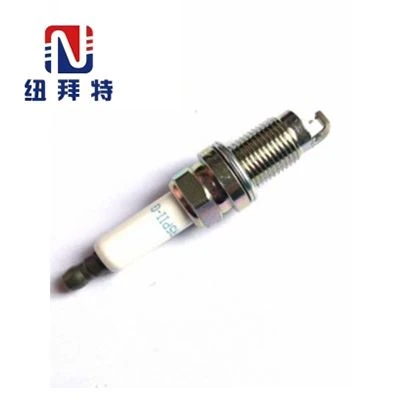
Another advantage of pre - lubricating is that it can protect the threads from corrosion. The engine environment is harsh, with high temperatures, moisture, and various chemicals. Over time, these factors can cause the threads of the spark plug and the cylinder head to corrode. A thin layer of lubricant can act as a barrier, preventing corrosion and making it easier to remove the spark plug during future maintenance.
The Argument Against Pre - Lubricating Spark Plugs
On the other hand, there are also valid reasons against pre - lubricating spark plugs. One of the main concerns is that lubrication can cause the spark plug to over - heat. The lubricant can act as an insulator, preventing the heat from the spark plug from dissipating properly. Spark plugs are designed to operate within a specific temperature range. If they over - heat, it can lead to pre - ignition, where the air - fuel mixture ignites before the spark plug fires. Pre - ignition can cause engine knocking, reduced power, and increased wear on engine components.
In addition, some lubricants may contain substances that can contaminate the combustion chamber. When the lubricant burns, it can leave behind deposits on the spark plug electrodes and other engine parts. These deposits can interfere with the spark plug's ability to create a spark, leading to misfires and other performance issues.
What Type of Lubricant to Use (If Pre - Lubricating)
If you decide to pre - lubricate your spark plugs, it's crucial to choose the right lubricant. Anti - seize compounds are commonly used for this purpose. Anti - seize compounds are designed to prevent corrosion and reduce friction between metal surfaces. They are formulated to withstand high temperatures and are less likely to cause over - heating compared to some other types of lubricants.
However, it's important to use anti - seize compounds sparingly. Applying too much can still lead to problems, such as the compound getting into the combustion chamber. A thin, even layer on the threads is usually sufficient.
Our Recommendation as a Spark Plug Supplier
As a supplier of Spark Plugs for Automotive, we generally recommend following the manufacturer's instructions. Most modern spark plugs are designed to be installed without pre - lubrication. The manufacturers have engineered the spark plugs and the cylinder heads to work together smoothly without the need for additional lubrication.
If you are unsure, you can consult your vehicle's owner's manual or contact the spark plug manufacturer directly. In some cases, such as when dealing with an older vehicle or a specific engine design, pre - lubrication may be beneficial. But in general, for most new cars, it's best to install the spark plugs as they are.
We also offer high - quality Double Iridium Spark Plug for Car. These spark plugs are made with advanced materials and precision engineering, which further reduces the need for pre - lubrication. They are designed to provide excellent performance and durability, even in the most demanding engine conditions.
Conclusion and Call to Action
In conclusion, the question of whether to pre - lubricate spark plugs before installation is not a straightforward one. There are valid arguments on both sides, and the best approach depends on various factors such as the type of vehicle, the engine design, and the manufacturer's recommendations.
As a professional spark plug supplier, we are committed to providing you with the highest - quality products and the most accurate information. If you have any questions about spark plugs, installation, or maintenance, please feel free to contact us. We are here to assist you in making the right choices for your vehicle. Whether you need a single spark plug or a large quantity for your automotive business, we can meet your needs. Reach out to us for more details and to start a procurement discussion.
References
- Bosch Automotive Handbook.
- Chilton's Auto Repair Manuals.
- Various automotive engineering research papers on ignition systems and spark plug performance.