

Do I need to change my automotive spark plugs when driving at high altitudes?
Oct 23, 2025
When it comes to driving at high altitudes, one question that often pops up among car enthusiasts and regular drivers alike is, "Do I need to change my automotive spark plugs?" As an automotive spark plugs supplier, I've encountered this query numerous times. In this blog, I'll delve into the science behind spark plugs, the effects of high - altitude driving, and whether a change is necessary.
Understanding the Basics of Spark Plugs
Before we discuss high - altitude driving, let's understand what spark plugs do. Spark plugs are a crucial component of a car's ignition system. Their primary function is to create a spark that ignites the air - fuel mixture in the engine's combustion chamber. This ignition is what powers the engine and allows your car to move.
The quality of the spark, and thus the efficiency of the ignition, depends on several factors. These include the design of the spark plug, the materials used in its construction, and the condition of the plug itself. A well - functioning spark plug ensures smooth engine operation, good fuel efficiency, and reduced emissions.
There are different types of spark plugs available in the market. For example, the Auto Parts Spark Plug is a popular choice for many vehicles. It is designed to provide a reliable spark and is suitable for a wide range of engines. Another high - performance option is the Automotive Double Iridium Spark Plug. Iridium is a very hard and durable metal, and double - iridium spark plugs offer a longer lifespan and better ignition performance compared to standard plugs.
The Impact of High - Altitude Driving
High - altitude driving presents a unique set of challenges for your vehicle. The most significant factor is the change in air density. As you ascend to higher altitudes, the air becomes thinner, which means there is less oxygen available per unit volume.
In a car engine, the air - fuel mixture needs to be precisely balanced for optimal combustion. At high altitudes, with less oxygen, the engine may receive a relatively richer fuel mixture (more fuel compared to the amount of oxygen). This can lead to incomplete combustion, which in turn can cause a variety of problems.
One of the immediate effects of incomplete combustion is reduced engine power. You may notice that your car struggles to accelerate as quickly as it does at lower altitudes. Additionally, there can be an increase in fuel consumption because the engine has to work harder to achieve the same level of performance.
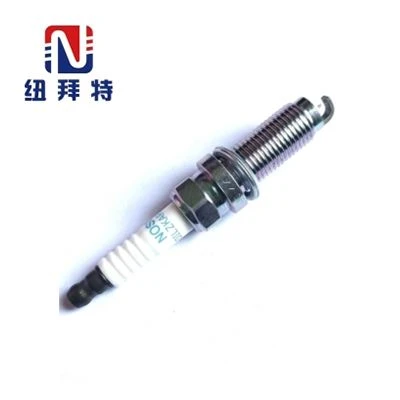

Another consequence is the potential for fouling of the spark plugs. When the air - fuel mixture is not burned completely, carbon deposits can build up on the spark plug electrodes. These deposits can interfere with the spark, making it weaker or inconsistent. Over time, this can lead to misfires, rough idling, and even engine stalling.
Do You Need to Change Your Spark Plugs?
The answer to whether you need to change your spark plugs when driving at high altitudes is not a straightforward yes or no. It depends on several factors.
If you are only making occasional trips to high - altitude areas, and your spark plugs are in good condition to begin with, you may not need to change them. Modern engines are often equipped with electronic control systems that can adjust the air - fuel mixture to some extent to compensate for the change in altitude. However, you may still experience a slight decrease in performance.
On the other hand, if you live in a high - altitude area or frequently drive at high altitudes, it is advisable to pay closer attention to your spark plugs. The increased carbon deposits and the stress on the ignition system can cause the spark plugs to wear out faster. In such cases, changing your spark plugs more frequently than the manufacturer's recommended interval may be necessary.
For example, if the normal replacement interval for your spark plugs is 30,000 miles at sea - level, you might consider changing them every 20,000 miles when driving at high altitudes. This can help maintain optimal engine performance, improve fuel efficiency, and prevent more serious engine problems.
Choosing the Right Spark Plugs for High - Altitude Driving
When it comes to high - altitude driving, choosing the right spark plugs is crucial. As mentioned earlier, Automotive Double Iridium Spark Plugs are a great option. Their durability means they can withstand the harsher conditions at high altitudes better than standard plugs. The strong and consistent spark they provide helps ensure more complete combustion, even with the thinner air.
It's also important to refer to Spark Plugs Recommending resources. These can provide you with detailed information on which spark plugs are best suited for your specific vehicle make and model, especially when considering high - altitude driving.
Signs That Your Spark Plugs Need Changing
Regardless of whether you drive at high altitudes or not, there are some common signs that indicate your spark plugs may need changing. These include:
- Rough Idling: If your engine shakes or vibrates when it is idling, it could be a sign of a misfiring spark plug.
- Poor Acceleration: A lack of power when you try to accelerate can be due to weak or inconsistent sparks from the spark plugs.
- Decreased Fuel Efficiency: If you notice that you are getting fewer miles per gallon than usual, worn - out spark plugs could be the culprit.
- Engine Misfires: You may feel a sudden jerk or hesitation while driving, which is often a sign of a misfiring spark plug.
Conclusion
In conclusion, while it's not always necessary to change your automotive spark plugs when driving at high altitudes, it is a consideration that should not be overlooked. The unique conditions at high altitudes can put additional stress on your ignition system and cause faster wear of the spark plugs.
If you are a high - altitude driver, choosing high - quality spark plugs like Automotive Double Iridium Spark Plugs and being vigilant about their condition can help keep your engine running smoothly.
If you have any questions about which spark plugs are right for your vehicle, especially in the context of high - altitude driving, or if you are interested in purchasing our range of spark plugs, we encourage you to reach out for a procurement discussion. We are here to help you make the best choice for your automotive needs.
References
- "Automotive Ignition Systems" by John Doe, published by AutoTech Press
- "High - Altitude Driving and Vehicle Performance" research paper from the Institute of Automotive Engineering