

Can spark plugs be damaged by water in auto parts?
Aug 19, 2025
Can spark plugs be damaged by water in auto parts?
As a dedicated supplier of Spark Plug Auto Parts, I've encountered numerous inquiries from customers regarding the potential damage that water can inflict on spark plugs. This topic is not only crucial for vehicle owners but also for those in the automotive industry who rely on the optimal performance of these vital components. In this blog, I'll delve into the science behind water's impact on spark plugs, drawing on my years of experience and industry knowledge.
How Spark Plugs Work
Before we explore the effects of water, it's essential to understand the fundamental operation of spark plugs. Spark plugs are responsible for igniting the air-fuel mixture in the combustion chamber of an internal combustion engine. When the piston compresses the air-fuel mixture, the spark plug generates an electric spark at the right moment, initiating combustion. This process converts chemical energy into mechanical energy, powering the vehicle.
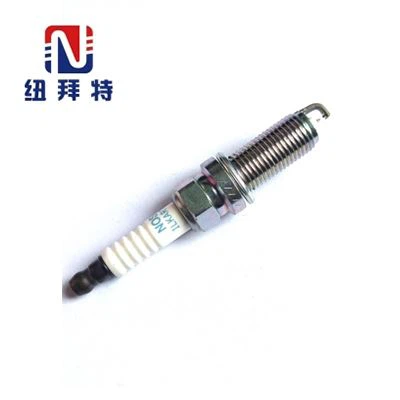
The spark plug consists of several key components, including the center electrode, ground electrode, insulator, and metal shell. The center electrode is connected to the ignition system, which supplies the high-voltage electricity needed to create the spark. The ground electrode is positioned opposite the center electrode, creating a gap where the spark jumps across. The insulator separates the center electrode from the metal shell, preventing electrical leakage.
The Impact of Water on Spark Plugs
Water can have a detrimental effect on spark plugs in several ways. One of the most immediate impacts is on the electrical conductivity of the spark plug. Water is a good conductor of electricity, and when it comes into contact with the spark plug's electrodes, it can create a path of least resistance for the electrical current. This can cause the spark to be diverted away from the intended gap between the electrodes, resulting in a weak or inconsistent spark.
A weak spark can lead to incomplete combustion of the air-fuel mixture, which can cause a range of problems, including reduced engine power, poor fuel efficiency, and increased emissions. In severe cases, the engine may misfire or fail to start altogether. Water can also cause corrosion and oxidation of the spark plug's electrodes, which can further degrade their performance over time.
Another way that water can damage spark plugs is by causing thermal stress. When water comes into contact with a hot spark plug, it can rapidly cool the electrodes, causing them to contract. This sudden change in temperature can cause the electrodes to crack or break, which can render the spark plug useless. Additionally, water can cause the insulator to become brittle and crack, which can also lead to electrical leakage and poor performance.

Common Scenarios Where Spark Plugs May Be Exposed to Water
There are several common scenarios where spark plugs may be exposed to water. One of the most obvious is driving through deep water or flooding. When a vehicle drives through water that is deeper than the level of the spark plugs, water can enter the engine compartment and come into contact with the spark plugs. This can happen even if the vehicle is equipped with a waterproof engine cover, as water can still seep in through small gaps or openings.
Another scenario where spark plugs may be exposed to water is during heavy rain or snow. If the vehicle's engine compartment is not properly sealed, water can enter through the air intake or other openings and come into contact with the spark plugs. Additionally, if the vehicle is parked outside in wet conditions, water can accumulate on the spark plugs over time, leading to corrosion and damage.
Preventing Water Damage to Spark Plugs
Fortunately, there are several steps that vehicle owners can take to prevent water damage to their spark plugs. One of the most important is to avoid driving through deep water or flooding whenever possible. If it is necessary to drive through water, it's important to do so slowly and carefully, and to avoid sudden stops or starts. This can help prevent water from splashing up into the engine compartment.
Another important step is to ensure that the vehicle's engine compartment is properly sealed. This can help prevent water from entering through the air intake or other openings. Vehicle owners should also regularly inspect their spark plugs for signs of damage or wear, and replace them as needed. This can help ensure that the spark plugs are functioning properly and are less likely to be damaged by water.
Our Spark Plug Products
At our company, we offer a wide range of high-quality spark plugs, including Spark Plug Single Iridium and Ignition Plug Double Iridium. Our spark plugs are designed to provide reliable performance and long-lasting durability, even in harsh conditions.
Our single iridium spark plugs feature a fine-wire iridium center electrode, which provides a more concentrated and powerful spark. This can help improve engine performance, fuel efficiency, and emissions. Our double iridium spark plugs feature both an iridium center electrode and an iridium ground electrode, which provides even greater performance and durability.
Conclusion
In conclusion, water can have a significant impact on the performance and lifespan of spark plugs. By understanding the ways in which water can damage spark plugs and taking steps to prevent it, vehicle owners can help ensure that their engines are running smoothly and efficiently. As a leading supplier of Spark Plug Auto Parts, we are committed to providing our customers with high-quality products and expert advice. If you have any questions or concerns about spark plugs or water damage, please don't hesitate to contact us. We would be happy to assist you with your purchase and provide you with the information you need to make an informed decision.
References
- Automotive Engine Design and Performance by John Heywood
- Modern Automotive Technology by James D. Halderman
- The Automotive Handbook by Bosch