

Can an auto ignition plug be damaged by overheating?
Nov 24, 2025
Can an auto ignition plug be damaged by overheating?
As a supplier of auto ignition plugs, I've encountered numerous inquiries regarding the durability and potential damage to these essential components. One common question that frequently arises is whether an auto ignition plug can be damaged by overheating. In this blog post, I'll delve into this topic, exploring the causes, effects, and preventive measures related to overheating ignition plugs.
Understanding the Function of Auto Ignition Plugs
Before we discuss the impact of overheating, it's crucial to understand the role of auto ignition plugs. These small but mighty devices are responsible for initiating the combustion process in an internal combustion engine. When an electrical current passes through the plug, it creates a spark that ignites the air-fuel mixture in the combustion chamber, generating the power needed to drive the vehicle.
Causes of Overheating in Auto Ignition Plugs
There are several factors that can contribute to overheating in auto ignition plugs. Understanding these causes can help you identify potential issues and take appropriate measures to prevent damage.
1. Incorrect Heat Range
The heat range of a spark plug refers to its ability to dissipate heat. If a plug with the wrong heat range is installed in an engine, it can lead to overheating. For example, using a plug with a heat range that is too hot for the engine can cause the plug to retain too much heat, leading to pre-ignition and overheating. On the other hand, a plug with a heat range that is too cold may not be able to reach the necessary temperature to ignite the air-fuel mixture efficiently, resulting in misfires and poor engine performance.
2. Lean Air-Fuel Mixture
A lean air-fuel mixture occurs when there is too much air and not enough fuel in the combustion chamber. This can be caused by a variety of factors, including a clogged fuel injector, a faulty oxygen sensor, or a problem with the engine's air intake system. When a lean mixture is present, the combustion process can become more intense, generating higher temperatures and increasing the risk of overheating the ignition plug.
3. Engine Overheating
If the engine itself is overheating, it can also cause the ignition plugs to overheat. This can be due to a variety of reasons, such as a malfunctioning cooling system, a blocked radiator, or a low coolant level. When the engine temperature rises, the heat can transfer to the ignition plugs, causing them to overheat and potentially fail.
4. Carbon Deposits
Carbon deposits can accumulate on the surface of the ignition plug over time, especially if the engine is running rich or if the plug is not being replaced regularly. These deposits can act as an insulator, preventing the plug from dissipating heat effectively and causing it to overheat.
Effects of Overheating on Auto Ignition Plugs
Overheating can have several detrimental effects on auto ignition plugs, including:
1. Pre-Ignition
Pre-ignition occurs when the air-fuel mixture in the combustion chamber ignites before the spark plug fires. This can be caused by overheating the plug, which can create a hot spot on the electrode that ignites the mixture prematurely. Pre-ignition can lead to engine knocking, reduced power, and increased fuel consumption.
2. Misfires
Overheating can also cause the ignition plug to misfire, which means that the spark is not strong enough to ignite the air-fuel mixture. This can result in rough idling, poor acceleration, and reduced fuel efficiency.
3. Electrode Erosion
Excessive heat can cause the electrodes of the ignition plug to erode, which can reduce the spark gap and weaken the spark. This can lead to misfires, poor engine performance, and eventually, plug failure.
4. Plug Failure
In severe cases, overheating can cause the ignition plug to fail completely. This can result in a loss of power, difficulty starting the engine, and potentially, damage to other engine components.

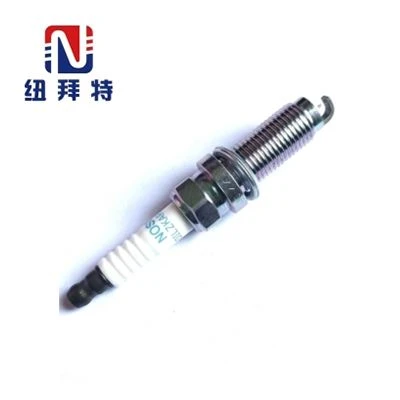
Preventive Measures to Avoid Overheating
To prevent overheating and damage to your auto ignition plugs, it's important to take the following preventive measures:
1. Use the Correct Heat Range
Make sure to use the correct heat range of spark plug for your engine. Consult your vehicle's owner's manual or a professional mechanic to determine the appropriate heat range for your specific engine.
2. Maintain a Proper Air-Fuel Mixture
Regularly check and maintain the air-fuel mixture in your engine to ensure that it is within the recommended range. This can help prevent lean mixtures and reduce the risk of overheating.
3. Keep the Engine Cool
Make sure to keep your engine cool by regularly checking the coolant level, inspecting the cooling system for leaks or blockages, and replacing the coolant as recommended. This can help prevent engine overheating and reduce the risk of overheating the ignition plugs.
4. Replace the Plugs Regularly
Replace your ignition plugs at the recommended intervals to prevent carbon deposits from accumulating and to ensure that the plugs are functioning properly. This can help prevent overheating and extend the life of the plugs.
5. Use High-Quality Plugs
Invest in high-quality ignition plugs from a reputable supplier. Spark Plugs for Car offer a wide range of high-quality spark plugs that are designed to meet the specific needs of your engine. These plugs are made from durable materials and are engineered to provide reliable performance and long-lasting durability.
Conclusion
In conclusion, an auto ignition plug can be damaged by overheating. Overheating can be caused by a variety of factors, including incorrect heat range, lean air-fuel mixture, engine overheating, and carbon deposits. The effects of overheating can range from pre-ignition and misfires to electrode erosion and plug failure. To prevent overheating and damage to your ignition plugs, it's important to use the correct heat range, maintain a proper air-fuel mixture, keep the engine cool, replace the plugs regularly, and use high-quality plugs.
If you have any questions or concerns about auto ignition plugs or need assistance in selecting the right plugs for your engine, please don't hesitate to contact us. We are a leading supplier of Spark Plugs Recommending and Spark Plug Automatic Car, and we are committed to providing our customers with the highest quality products and services. We look forward to the opportunity to discuss your specific requirements and assist you in making the right purchasing decisions.
References
- Automotive Engineering Handbook, various editions
- Engine Performance and Diagnostic Manuals from major automotive manufacturers