

Can a weak battery affect the auto ignition plug?
May 19, 2025
Hey there! As an auto ignition plug supplier, I've been getting a lot of questions lately about whether a weak battery can affect the auto ignition plug. So, I thought I'd sit down and write this blog to share my thoughts and insights on the matter.
Let's start by understanding how the ignition system in a car works. The ignition system is responsible for creating a spark that ignites the air-fuel mixture in the engine's cylinders. This spark is generated by the ignition plug, which is connected to the ignition coil. The ignition coil takes the low-voltage electricity from the battery and transforms it into a high-voltage current that can create a spark across the electrodes of the ignition plug.
Now, let's talk about the role of the battery. The battery is the power source for the entire electrical system in the car, including the ignition system. It provides the initial charge to start the engine and also powers other electrical components like the lights, radio, and air conditioning. A healthy battery is crucial for the proper functioning of the ignition system.
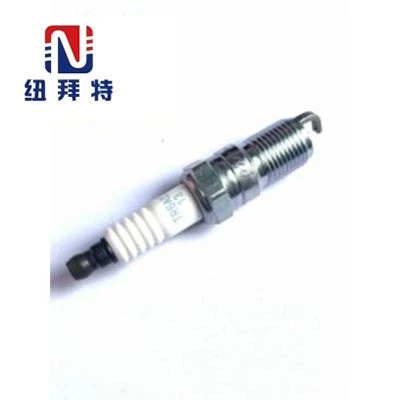
So, can a weak battery affect the auto ignition plug? The short answer is yes. Here's how:
1. Insufficient Voltage Supply
A weak battery may not be able to provide the necessary voltage to the ignition coil. As I mentioned earlier, the ignition coil needs a certain amount of low - voltage electricity from the battery to generate the high - voltage current for the ignition plug. If the battery voltage is too low, the ignition coil won't be able to produce a strong enough spark.
When the spark is weak, it may not be able to ignite the air - fuel mixture effectively. This can lead to misfires, where the fuel in one or more cylinders doesn't burn properly. Misfires can cause a variety of problems, including reduced engine power, poor fuel economy, and increased emissions. You might notice your engine running rough, or it could even stall.

2. Slow Cranking
A weak battery often results in slow cranking of the engine. When you turn the key in the ignition, the starter motor uses power from the battery to turn the engine over. If the battery is weak, the starter motor will turn the engine slowly. This slow rotation can affect the timing of the ignition system.
The ignition system is designed to create a spark at the right moment in the engine's cycle. When the engine is cranking slowly, the spark may occur at the wrong time, which can prevent the air - fuel mixture from igniting correctly. This, again, can lead to misfires and other engine performance issues.
3. Premature Wear of Ignition Plug
In some cases, a weak battery can cause premature wear of the ignition plug. When the spark is weak, the ignition plug has to work harder to ignite the air - fuel mixture. This extra stress can cause the electrodes of the ignition plug to wear out faster than normal.
Over time, worn electrodes can lead to further ignition problems. The spark may become even weaker, and the misfires may become more frequent. Eventually, you'll need to replace the ignition plug more often than you would with a properly functioning battery.
Now, let's talk about how to tell if a weak battery is affecting your ignition plug. Here are some signs to look out for:
- Difficulty Starting the Engine: If your car takes longer than usual to start or you have to turn the key multiple times before it starts, it could be a sign of a weak battery or ignition problems.
- Rough Idling: A rough - running engine at idle is often a sign of misfires, which can be caused by a weak spark from the ignition plug due to a weak battery.
- Poor Fuel Economy: If you notice that your car is using more fuel than usual, it could be because the engine is not running efficiently due to ignition issues caused by a weak battery.
- Check Engine Light: The check engine light on your dashboard may come on if there are problems with the ignition system. It's a good idea to have your car scanned by a professional to determine the exact cause.
If you suspect that a weak battery is affecting your ignition plug, the first thing you should do is check the battery. You can use a battery tester to measure the voltage of the battery. A fully charged battery should have a voltage of around 12.6 volts. If the voltage is significantly lower, it may be time to replace the battery.
Once you've replaced the battery, if you're still experiencing ignition problems, it could be a sign that the ignition plug is damaged or worn out. In that case, you may need to replace the ignition plug. And that's where we come in!
As an auto ignition plug supplier, we offer a wide range of high - quality Automotive Ignition Plug. Our Ignition Plug Auto are designed to provide a strong and consistent spark, ensuring optimal engine performance. Whether you need an Ignition Plug for Car for a daily driver or a high - performance vehicle, we've got you covered.
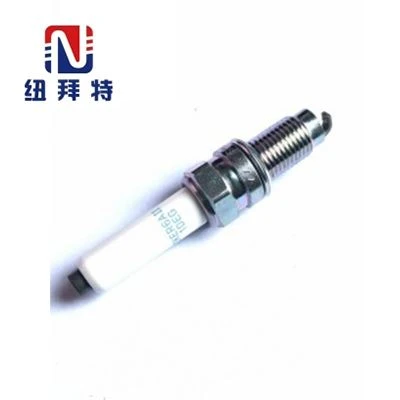
If you're in the market for new ignition plugs, don't hesitate to reach out to us. We can help you find the right ignition plugs for your specific vehicle and answer any questions you may have. Our team of experts is always here to assist you in making the best choice for your car.
In conclusion, a weak battery can definitely affect the auto ignition plug. It can lead to insufficient voltage supply, slow cranking, and premature wear of the ignition plug. By keeping an eye on the health of your battery and replacing it when necessary, you can help ensure the proper functioning of your ignition system and extend the life of your ignition plugs.
References
- Bosch Automotive Handbook.
- Chilton's Auto Repair Manual.