

Are there any signs that a car spark plug is about to fail?
Sep 08, 2025
Are there any signs that a car spark plug is about to fail?
As a dedicated supplier of spark plugs for cars, I've witnessed firsthand the crucial role these small components play in a vehicle's performance. Spark plugs are responsible for igniting the air-fuel mixture in the engine cylinders, which is essential for the smooth operation of your car. When they start to fail, it can lead to a variety of problems that can affect your driving experience and even damage your engine over time. In this blog, I'll share some common signs that indicate your car's spark plugs may be on the verge of failure.
1. Rough Idling
One of the first signs that your spark plugs may be failing is rough idling. When your car is stationary with the engine running, you may notice that the engine vibrates more than usual or feels unstable. This is because a faulty spark plug may not be firing correctly, causing an uneven combustion process in the cylinders. As a result, the engine may shake or sputter, and you might feel the vibrations through the steering wheel or the car's floor. If you experience rough idling, it's a good idea to have your spark plugs checked. You can find high-quality Spark Plug for Automotive on our website that can help resolve this issue.
2. Difficulty Starting the Engine
A failing spark plug can also make it difficult to start your car. If you turn the key in the ignition and the engine cranks but doesn't start right away, or if you have to try multiple times to get it going, the spark plugs could be the culprit. Faulty spark plugs may not generate a strong enough spark to ignite the air-fuel mixture, especially in cold weather or when the engine is under stress. This is a serious issue that should be addressed promptly. Our Auto Ignition Plug is designed to provide reliable ignition, even in challenging conditions.
3. Poor Acceleration
Another sign of failing spark plugs is poor acceleration. When you step on the gas pedal to speed up, you may notice that the car doesn't respond as quickly as it used to. The engine may feel sluggish, and there may be a delay in power delivery. This is because the inefficient combustion caused by bad spark plugs results in less energy being produced, which affects the car's ability to accelerate. If you're experiencing this problem, it's worth considering replacing your spark plugs. We offer Spark Plugs Recommending services to help you choose the right spark plugs for your vehicle.
4. Decreased Fuel Efficiency
Failing spark plugs can also lead to decreased fuel efficiency. When the spark plugs don't function properly, the air-fuel mixture may not burn completely, causing the engine to use more fuel to produce the same amount of power. You may notice that you're filling up your gas tank more often than usual, even if your driving habits haven't changed. By replacing your old spark plugs with new ones, you can improve your car's fuel efficiency and save money on gas in the long run.
5. Engine Misfires
Engine misfires are a clear indication that something is wrong with your spark plugs. A misfire occurs when the air-fuel mixture in one or more cylinders fails to ignite properly. You may feel a sudden jerk or hesitation while driving, and the engine may lose power briefly. In some cases, you may also notice a check engine light on your dashboard. Engine misfires can cause damage to other engine components if left untreated, so it's important to have the spark plugs inspected and replaced if necessary.
6. Increased Exhaust Emissions
Faulty spark plugs can also cause an increase in exhaust emissions. When the combustion process is incomplete, unburned fuel is released into the exhaust system, which can lead to higher levels of pollutants being emitted from the tailpipe. This not only harms the environment but can also cause your car to fail an emissions test. By replacing your worn-out spark plugs, you can reduce emissions and ensure that your car meets environmental standards.

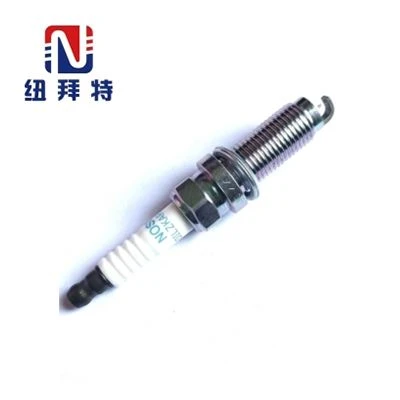
Preventive Maintenance
To avoid the problems associated with failing spark plugs, it's important to follow a regular maintenance schedule. Most manufacturers recommend replacing spark plugs every 30,000 to 100,000 miles, depending on the type of spark plugs and the vehicle. However, it's a good idea to check your owner's manual for the specific recommendations for your car. Regularly inspecting your spark plugs can also help you detect any signs of wear or damage early on.
Why Choose Our Spark Plugs
As a trusted spark plug supplier, we take pride in offering high-quality products that meet the needs of our customers. Our spark plugs are made from premium materials and are designed to provide reliable performance and long service life. We have a wide range of spark plugs available for different types of vehicles, including cars, trucks, and SUVs. Whether you need a standard spark plug or a high-performance one, we can help you find the right product.
Contact Us for Procurement
If you're experiencing any of the signs mentioned above or if you're due for a spark plug replacement, don't hesitate to contact us. We're here to assist you with your procurement needs. Our team of experts can provide you with detailed information about our products and help you choose the best spark plugs for your vehicle. Whether you're a car owner looking to replace a few spark plugs or a business in need of a large quantity, we can offer competitive prices and excellent customer service. Start the conversation with us today to ensure your vehicle's engine runs smoothly with our top-quality spark plugs.
References
- Automotive Repair Manuals from various vehicle manufacturers
- Industry research on spark plug performance and failure rates
- Technical documentation from spark plug manufacturers