

Are there any new technologies for automotive spark plugs?
Jun 25, 2025
In the dynamic realm of automotive technology, spark plugs stand as unsung heroes, playing a pivotal role in the ignition process that powers our vehicles. As an automotive spark plug supplier deeply entrenched in this industry, I've witnessed firsthand the evolution of these crucial components. The question on many minds is: Are there any new technologies for automotive spark plugs? The answer is a resounding yes, and in this blog, we'll explore the cutting-edge advancements that are shaping the future of spark plug technology.
The Basics of Spark Plugs
Before delving into the new technologies, let's briefly recap the fundamental role of spark plugs. A spark plug is a device that fits into the cylinder head of an internal combustion engine. Its primary function is to generate an electric spark that ignites the air-fuel mixture within the combustion chamber. This ignition process releases energy, which drives the pistons and ultimately powers the vehicle.
Over the years, spark plug technology has advanced significantly to improve engine performance, fuel efficiency, and reliability. Traditional spark plugs were typically made of copper or nickel alloys, which had limitations in terms of durability and performance. However, advancements in materials and manufacturing processes have led to the development of more advanced spark plug designs.

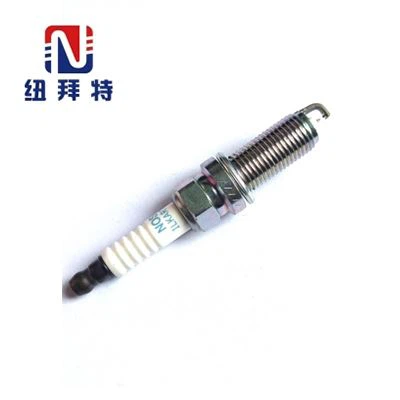
New Materials: Iridium and Platinum
One of the most significant advancements in spark plug technology is the use of new materials, particularly iridium and platinum. These precious metals offer several advantages over traditional materials, making them ideal for modern engines.
Iridium Spark Plugs
Iridium is a rare and extremely hard metal that has a high melting point and excellent corrosion resistance. These properties make iridium spark plugs highly durable and capable of withstanding the extreme conditions inside an engine. Iridium spark plugs typically have a very fine center electrode, which allows for a more precise and efficient spark. This results in improved ignition, better fuel combustion, and enhanced engine performance.
There are two main types of iridium spark plugs: single iridium and double iridium. Auto Ignition Plug Single Iridium features an iridium tip on the center electrode, while the ground electrode is made of a different material. This design provides a good balance between performance and cost. On the other hand, Double Iridium Spark Plug for Auto has iridium tips on both the center and ground electrodes, offering even better performance and durability. Double iridium spark plugs are often used in high-performance engines and luxury vehicles.
Platinum Spark Plugs
Platinum is another precious metal that is commonly used in spark plug manufacturing. Like iridium, platinum has excellent corrosion resistance and a high melting point. Platinum spark plugs typically have a platinum tip on the center electrode, which provides a more stable and consistent spark compared to traditional spark plugs. This results in improved fuel efficiency, reduced emissions, and smoother engine operation.
Platinum spark plugs are available in both single platinum and double platinum designs. Single platinum spark plugs have a platinum tip on the center electrode, while double platinum spark plugs have platinum tips on both the center and ground electrodes. Double platinum spark plugs offer even better performance and durability, but they are also more expensive.
Advanced Designs: Fine-Wire and Multi-Electrode Spark Plugs
In addition to new materials, advancements in spark plug design have also contributed to improved performance and efficiency. Two of the most notable design advancements are fine-wire and multi-electrode spark plugs.
Fine-Wire Spark Plugs
Fine-wire spark plugs feature a very thin center electrode, typically made of iridium or platinum. The thin electrode allows for a more concentrated and intense spark, which results in better ignition and more efficient fuel combustion. Fine-wire spark plugs are often used in modern engines with high compression ratios and direct injection systems, where a precise and powerful spark is required.
Multi-Electrode Spark Plugs
Multi-electrode spark plugs have multiple ground electrodes surrounding the center electrode. This design provides multiple paths for the spark to travel, increasing the likelihood of ignition and improving the overall combustion process. Multi-electrode spark plugs are particularly effective in engines with large combustion chambers or uneven air-fuel mixtures, as they help to ensure a more complete and consistent burn.
Laser-Ignition Technology
While traditional spark plugs have served us well for many years, researchers are constantly exploring new technologies to further improve the ignition process. One of the most promising advancements is laser-ignition technology.
Laser-ignition systems use high-powered lasers to ignite the air-fuel mixture in the combustion chamber. This technology offers several advantages over traditional spark plugs, including faster ignition, more precise control, and the ability to ignite leaner air-fuel mixtures. Laser-ignition systems also have the potential to reduce emissions and improve fuel efficiency, making them an attractive option for future automotive applications.
However, laser-ignition technology is still in the early stages of development and is not yet commercially available. There are several technical challenges that need to be overcome, such as the high cost of the laser systems, the durability of the laser components, and the integration of the technology into existing engines.
The Future of Automotive Spark Plugs
As automotive technology continues to evolve, the demand for more advanced and efficient spark plugs will only increase. In the future, we can expect to see further advancements in materials, design, and ignition technology.
Nanotechnology
Nanotechnology is a field of science that deals with the manipulation of matter at the atomic and molecular scale. In the context of spark plugs, nanotechnology could be used to develop new materials with enhanced properties, such as higher conductivity, better corrosion resistance, and improved durability. Nanomaterials could also be used to create more precise and efficient spark plug designs, leading to even better engine performance.
Intelligent Spark Plugs
Intelligent spark plugs are another area of research that holds great promise for the future. These spark plugs would be equipped with sensors and microprocessors that could monitor the engine's operating conditions in real-time and adjust the spark timing and intensity accordingly. This would allow for more precise control of the ignition process, resulting in improved performance, fuel efficiency, and emissions.
Hybrid and Electric Vehicles
While spark plugs are primarily used in internal combustion engines, the rise of hybrid and electric vehicles is also having an impact on the spark plug industry. Hybrid vehicles typically have both an internal combustion engine and an electric motor, which means they still require spark plugs. However, as the technology improves and the range of electric vehicles increases, the demand for spark plugs in traditional engines may decline.
Conclusion
In conclusion, there are indeed several new technologies for automotive spark plugs that are revolutionizing the way our engines operate. From the use of new materials like iridium and platinum to advanced designs such as fine-wire and multi-electrode spark plugs, these advancements are improving engine performance, fuel efficiency, and reliability. While laser-ignition technology and other emerging technologies are still in the early stages of development, they hold great promise for the future of automotive ignition systems.
As an automotive spark plug supplier, we are committed to staying at the forefront of these technological advancements and providing our customers with the highest quality spark plugs on the market. Whether you're looking for Auto Ignition Plug Single Iridium, Double Iridium Spark Plug for Auto, or Spark Plug Single Iridium, we have the expertise and experience to meet your needs.
If you're interested in learning more about our products or discussing your specific requirements, please don't hesitate to contact us. We look forward to the opportunity to work with you and help you find the perfect spark plugs for your vehicle.
References
- Heywood, J. B. (1988). Internal Combustion Engine Fundamentals. McGraw-Hill.
- Stone, R. (1999). Introduction to Internal Combustion Engines. Society of Automotive Engineers.
- Taylor, C. F. (1985). The Internal Combustion Engine in Theory and Practice. MIT Press.